Elevate Your Pie Baking: Select the Best Fats for a Perfect Flaky Crust
Butter vs. Shortening: Discover Which Fat Delivers the Best Flaky Texture
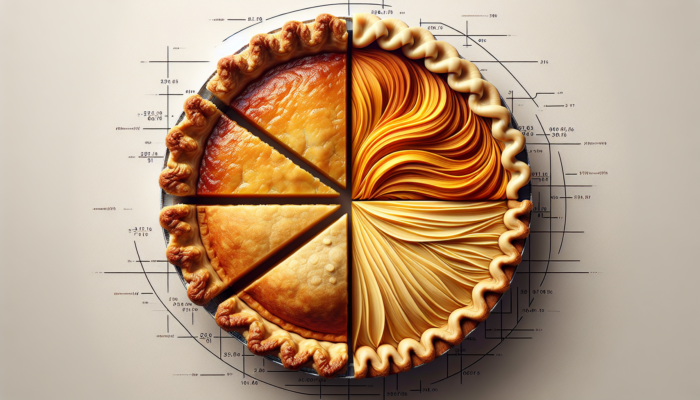
Unlocking the secrets to achieving a perfectly flaky pie crust begins with the critical decision of which fat to use, as this choice significantly impacts the texture of your baked goods. Butter is widely recognized for its rich, creamy flavor and aromatic qualities that elevate the taste of your pie. Despite its popularity, many bakers discover that butter might not always yield the desired level of flakiness. In contrast, shortening is renowned for its ability to produce a tender, flaky crust due to its unique melting characteristics. For the best results, consider experimenting with a combination of butter and shortening. This blend allows you to savor the rich flavor of butter while benefiting from the superior flakiness offered by shortening, resulting in a crust that is both delicious and texturally pleasing.
Combining these two fats not only enhances the overall flavor but also plays a crucial role in the structural integrity of the crust. You have the flexibility to tailor the ratio to match your personal preferences, with a common 50/50 blend often yielding fantastic results. It is essential to remember that the quality of your ingredients is of utmost importance; always opt for high-quality butter with a higher fat content to ensure that your baking endeavors reach their full potential.
The Remarkable Benefits of Incorporating Lard into Your Pie Crust Recipe
While lard often takes a backseat in discussions surrounding pie crust fats, it is worthy of recognition for its exceptional ability to create an incredibly flaky texture. With nearly 100% fat content, lard produces a crust that is unmatched in lightness and flakiness. This remarkable quality stems largely from the unique melting point of the fat molecules in lard, which encourages the formation of multiple layers in the crust, resulting in a wonderfully flaky texture that is hard to replicate with other fats.
When selecting lard, aim for high-quality leaf lard, sourced from the kidney area of pigs. This premium option offers a cleaner taste and superior texture compared to standard lard. If you have concerns about flavor, rest assured that well-sourced lard will not impart any off-putting taste; instead, it enhances the overall culinary experience of your pie. Many traditional recipes still celebrate the use of lard to achieve that highly sought-after flaky texture, making it a worthwhile ingredient to consider if you haven't explored it yet.
Crafting Tasty Vegan Pie Crusts: Plant-Based Alternatives You Can Trust
For those pursuing plant-based options, it is entirely feasible to create a flaky pie crust that aligns with your dietary choices. Popular substitutes such as coconut oil and vegan butter each possess unique properties that can contribute to the desired texture. Although coconut oil may yield a slightly different feel, it can still achieve commendable levels of flakiness, especially when kept chilled throughout the mixing process.
It’s crucial to understand that utilizing these alternatives will significantly alter the flavor profile of your pie crust. Coconut oil adds a subtle coconut flavor that may or may not enhance the specific pie you are preparing. On the other hand, vegan butter can often be used as a direct replacement for traditional butter; however, the quality may vary significantly across brands, which can affect both flavor and texture.
Experimentation is key when working with these plant-based alternatives, as achieving the perfect balance of taste and texture might take a few tries. Nevertheless, with the right techniques and a willingness to explore, crafting a delicious vegan pie crust is entirely achievable, allowing everyone to relish the joy of baking, regardless of dietary restrictions.
Mastering Your Flaky Pie Crust: The Essential Importance of Keeping Ingredients Chilled
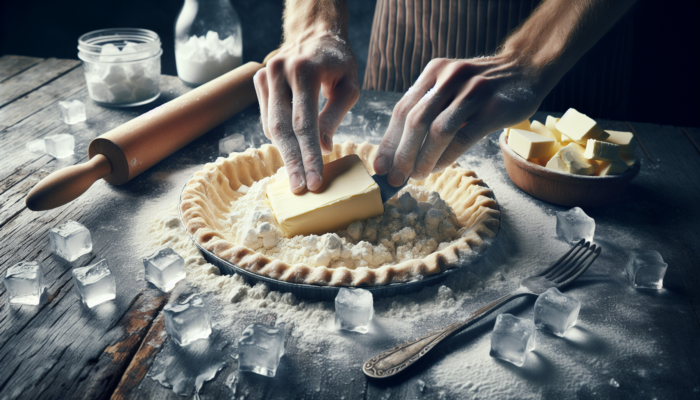
Chilling Fats: The Secret to Achieving Flaky Layers in Your Crust
The temperature of the fats you use is intrinsically linked to the texture of your pie crust. Keeping your fats cold is essential for achieving those irresistible flaky layers that make pies so delightful. When cold fat is mixed into the dough, it remains solid, creating pockets of fat within the flour. As the pie bakes, these pockets melt, generating steam that lifts and separates the dough, culminating in a beautifully flaky texture that is hard to resist.
It is vital to extend the chilling process beyond just the fat; all ingredients should be kept cold for optimal results. Always take your butter or shortening directly from the fridge to prevent it from melting into the flour prematurely. This practice is especially crucial during warm weather or summer months when maintaining temperature control can be particularly challenging.
To maximize flakiness, consider chilling your mixing bowl and utensils as well. These minor adjustments can have a significant impact on your final results, ensuring your crust achieves the desired texture and consistency that enhances your pie-eating experience.
The Vital Role of Ice-Cold Water in Crafting Your Dough
Another essential element in preparing a flaky pie crust is the inclusion of ice-cold water. The temperature of the water is crucial in preserving the integrity of the fats throughout the mixing process. By adding cold water, you prevent the fat from melting too soon, allowing it to remain distinct within the dough, which is vital for achieving flakiness.
Using ice-cold water also helps to limit gluten development, which can lead to a tougher crust. While gluten is necessary for providing structure in bread, too much gluten can create an undesirable chewiness in pie crusts. It’s best to use the minimum amount of cold water required to bring the dough together. If the mixture looks dry, add water by the teaspoon until you reach the desired consistency without overworking the dough.
This simple yet essential step helps maintain the delicate balance between flakiness and tenderness, ensuring that every bite of your pie crust is as delightful as the filling it encases.
Refrigerating Your Dough: A Critical Step for Achieving Success
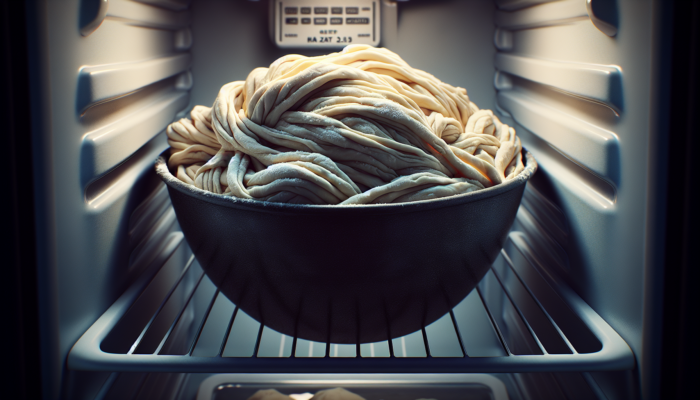
After meticulously mixing your dough, the next indispensable step is to refrigerate it. Allowing your dough to rest in the fridge is crucial as it relaxes the gluten strands formed during the mixing process. This relaxation not only simplifies rolling but also enhances the overall texture of your crust, making it more enjoyable to eat.
Aim to chill the dough for at least 30 minutes; however, longer chilling times can yield even better results. This resting period allows the flour to fully hydrate and meld with the fats, resulting in a dough that is easier to roll out, less susceptible to shrinkage during baking, and ultimately more flaky.
If you do not plan to use the dough immediately, freezing it is also an option. Make sure to wrap it tightly in plastic wrap or a freezer bag to prevent freezer burn. When you are ready to bake, simply transfer the dough to the fridge to thaw overnight.
Chilling and resting your dough can profoundly influence the final product, transforming a good pie crust into an exceptional one that will impress your family and friends.
Mastering Your Flaky Pie Crust: Essential Mixing Techniques for Exceptional Results
Perfecting the Fat Incorporation Technique for Maximum Flakiness
Incorporating fat into your pie crust is a fundamental step in achieving that coveted flakiness that everyone loves. The technique known as cutting in the fat, whether you choose butter, shortening, or lard, requires careful attention to detail. Your objective is to create small, pea-sized pieces of fat throughout the flour. This can be effectively done using a pastry cutter, fork, or even your fingers.
When cutting in the fat, take your time and proceed gently. The goal is to preserve those small chunks of fat rather than allowing them to melt into the flour. Each piece of fat acts as a barrier to gluten formation, creating pockets that will expand during baking, resulting in a wonderfully flaky texture that is hard to replicate.
If you find this step challenging, consider chilling your utensils to maintain the temperature of the fat. This ensures that each piece remains intact, contributing to the overall flakiness of your crust. Remember, the art of pie-making lies in the details, and properly cutting in your fat is one of the critical secrets to achieving a flaky pie crust.
Minimizing Dough Handling: The Key to Achieving Tender Results
Overworking your dough is a common pitfall that can result in a tough, undesirable crust. After incorporating the fat, it's crucial to handle the dough as little as possible. Excessive mixing promotes gluten development, which can cause your pie crust to lose its tender, flaky quality that makes it so appealing.
When combining the ingredients, mix them just until they come together. The dough should still appear slightly shaggy; do not be alarmed by this. The addition of cold water should be just enough to amalgamate the ingredients without extensive handling. This minimalist approach ensures that your dough remains tender and flaky, allowing it to rise beautifully during baking.
If you encounter difficulties working with the dough, resist the urge to knead it. Instead, give it time to rest in the fridge. This resting period allows the flour to fully hydrate and the gluten to relax, making it easier to roll out without compromising texture.
Enhancing Your Pie Crust with the Folding Technique for Extra Flakiness
The folding method is an excellent technique for those eager to elevate their pie-crust skills. Similar to the technique used in making puff pastry, this approach involves rolling out the dough and folding it over itself multiple times. This process creates layers within the crust that significantly contribute to its flakiness.
Begin by rolling out your dough into a rectangular shape. Then, fold it into thirds, like a letter, before rolling it out again. Repeat this process several times, ensuring the dough remains chilled throughout. Each fold introduces additional layers of fat and flour, which will separate during baking, leading to a beautifully flaky texture that is sure to impress.
This technique is particularly advantageous for those aiming to create a more sophisticated pie crust. It enhances both flavor and texture, resulting in a crust that is not only visually appealing but also delectably flaky and tender, making your pie a true standout among desserts.
The Crucial Importance of Keeping All Ingredients Chilled for Maximum Freshness
To ensure the best results, it's essential to keep every ingredient for your pie crust cold, including the fats and any liquids you plan to use. Maintaining a cold environment for all components helps preserve the integrity of the fats and prevents them from melting prematurely during mixing.
When preparing your ingredients, consider briefly freezing your butter or shortening. Additionally, using ice-cold water or chilling your mixing bowl can significantly improve the process. The colder your ingredients remain, the better the flakiness of your final crust will be, ensuring a delightful pie.
This practice is especially vital during warmer months or in humid environments where heat can quickly alter the state of your fats. By keeping your ingredients chilled, you can produce a pie crust that is consistently flaky and delicious, regardless of the conditions.
The Necessity of Resting Your Dough: A Key to Exceptional Pie Crusts
Resting the dough is a crucial step that new bakers often overlook. After mixing your dough, place it in the fridge to rest. This process allows the gluten to relax and the moisture to distribute evenly throughout the dough, making it easier to roll out while improving the final texture of your crust.
Aim for a resting time of at least 30 minutes; however, extending this period can yield even better results. When you’re ready to use the dough, take it out and allow it to sit for a few minutes at room temperature before rolling it out. This slight warming makes the dough more pliable, facilitating easier handling.
Resting not only enhances the dough's manageability but also improves its flavor. As the dough sits, the flour continues to hydrate, contributing to a more cohesive structure. When baked, this results in a flaky and tender crust that beautifully complements any filling, making your pie an absolute delight.
Mastering Your Flaky Pie Crust: Understanding the Best Flour Types for Baking
Utilizing All-Purpose Flour for Versatile Pie Baking Solutions
Many bakers opt for all-purpose flour as their go-to choice due to its versatility across various recipes. While it can work adequately for pie crusts, it may not deliver the tender, flaky results that some bakers seek. With a moderate protein content, all-purpose flour can develop gluten, which is beneficial for bread but may lead to a denser pie crust.
If you decide to utilize all-purpose flour for your pie crust, consider adjusting your technique to enhance the results. The key lies in minimizing handling of the dough and incorporating fat correctly. This way, you can still create a decent crust, although it may not achieve the same lightness and flakiness as those made with specialized flours.
To improve the texture, some bakers prefer blending a small portion of cake flour with all-purpose flour, which can help create a more tender crust while remaining accessible for most home bakers.
Selecting Pastry Flour for Achieving Superior Flakiness in Your Pie Crust
For those serious about achieving an exceptionally flaky pie crust, pastry flour is an outstanding choice. This flour produces less gluten and has a lower protein content than all-purpose flour, resulting in a more tender and flaky crust that is simply delightful. Specifically designed for pastries, pastry flour is a favorite among professional bakers who want to achieve the best results.
When using pastry flour, you may need slightly less liquid compared to all-purpose flour. This difference arises because pastry flour absorbs moisture differently. A good rule of thumb is to start with the same amount of water and adjust as necessary, ensuring your dough remains manageable and easy to work with for perfect results.
Choosing pastry flour can significantly enhance your pie crust, leading to a lighter, more delicate texture that harmoniously complements a variety of fillings, enriching your overall pie experience and impressing your guests.
Incorporating Cake Flour for Additional Tenderness in Your Crust
Integrating cake flour into your flour selection can infuse your pie crust with an added layer of finesse. With its fine texture and low protein content, cake flour enhances tenderness and flakiness, transforming your crust into a standout feature of your pie.
Typically, blending half all-purpose flour with half cake flour yields excellent results. This combination strikes a wonderful balance between structure and tenderness, offering the best of both worlds. The fine texture of cake flour contributes to a lighter crust that remains robust enough to support fillings without buckling or collapsing.
This method is particularly effective for fruit pies, where a delicate crust can elevate the dish. By incorporating cake flour, you ensure that every bite melts in your mouth while providing the necessary support for your delicious fillings, enhancing the overall pie experience.
Avoiding Bread Flour: Why This Type Is Not Suitable for Pie Crusts
Although bread flour is typically associated with yeasted goods, its higher protein content can lead to a chewier texture when incorporated into pie crusts. This is not ideal, as the primary goal is to create a flaky and tender crust. Using bread flour may result in a tougher pie crust that detracts from the overall eating experience.
If bread flour is your only option, consider mixing it in smaller proportions with all-purpose flour to mitigate the effects of gluten development. However, for the best outcomes, stick with flours that are more suited for pie-making, such as all-purpose, pastry, or cake flour, which will yield far superior results in your baking endeavors.
Selecting the right type of flour is crucial in pie-making. While experimentation can be enjoyable, understanding the unique properties of each flour type will help you achieve the ultimate goal of a perfect flaky pie crust that will impress everyone.
Whole Wheat Flour: Infusing Your Pie Crust with a Nutty Flavor
whole wheat flour introduces a distinct nutty flavor and additional nutritional benefits to your pie crust. However, it’s essential to recognize that it can also lead to a denser texture, which might not be suitable for every type of pie. The bran and germ present in whole wheat flour can inhibit gluten development, potentially resulting in a crust that doesn’t rise as beautifully as desired.
If you wish to incorporate whole wheat flour into your pie crust, consider blending it with all-purpose or pastry flour. A 50% mix of whole wheat flour and 50% all-purpose flour can strike a perfect balance, adding flavor without compromising flakiness or texture.
This approach works exceptionally well for rustic pies, where the hearty flavor of whole wheat flour complements robust fillings beautifully. Embracing whole wheat flour can enhance the taste of your pie while contributing to a more nutritious option, appealing to health-conscious bakers and diners alike.
Mastering Your Flaky Pie Crust: Expert Techniques for Rolling and Shaping
Ensuring Uniform Thickness for Consistent Baking Results
A consistent thickness while rolling out your pie crust is vital for achieving even baking and delicious results. An unevenly rolled crust can create hot spots, leading to overcooked or undercooked sections during the baking process. To ensure uniformity, begin from the center and work your way outward, rotating the dough as you go.
Using a rolling pin with guides can assist in maintaining an even thickness, typically around 1/8 inch thick. This consistency allows the crust to bake uniformly while providing enough structure to support the filling. If you notice any thinner areas, you can gently patch them using excess dough, ensuring a uniform surface throughout the crust.
The surface on which you roll is equally important. A lightly floured surface can help prevent sticking; however, be cautious not to overload the dough with flour, which may lead to a drier final crust. Keeping the dough chilled while rolling also contributes to achieving the perfect thickness while preserving its integrity for beautiful results.
Avoiding Over-Rolling: The Key to Maintaining Flakiness
While it might be tempting to roll out your dough multiple times to achieve perfection, over-rolling can lead to tough crusts that lack the desired flakiness. Each time you roll out the dough, you risk developing gluten, which compromises the flaky texture you aim to achieve. Limit re-rolling to an absolute minimum and work with the dough efficiently to reduce handling and maintain its integrity.
As a general guideline, once you've rolled it out and placed it in your pie dish, avoid rolling it again unless absolutely necessary. If you find the dough challenging to manage, consider taking a break and refrigerating it for a few minutes before attempting again.
A gentle hand and careful touch are your best allies when rolling out pie dough. Treat it with respect, and it will reward you with a flaky, tender crust that’s simply irresistible and a joy to eat.
Mastering the Crimping Technique for a Stunning Finish on Your Pie
Crimping the edges of your pie crust serves both a decorative purpose and a practical necessity. Properly crimped edges effectively seal in the filling and prevent juices from leaking during baking. This ensures that your pie maintains its integrity and presents beautifully when served.
You can utilize your fingers or a fork to crimp effectively. Pinch the edges together with your fingers to create an attractive wave-like pattern, or use a fork to press down along the edges for a classic appearance.
Regardless of your chosen method, ensure the crust is well-sealed to prevent steam from escaping, as this can lead to a dry filling. A well-crimped pie not only looks impressive but also ensures that every slice retains its moisture and flavor, enhancing the overall pie-eating experience for everyone.
Mastering Your Flaky Pie Crust: Essential Strategies for Blind Baking
Utilizing Pie Weights for Flawless Blind Baking Every Time
Blind baking is a technique that guarantees your pie crust is perfectly cooked before adding the filling. One of the most effective methods to achieve this is by using pie weights. These weights help prevent the crust from puffing up and losing its shape during the baking process, ensuring a consistent and delightful texture.
To blind bake successfully, line your pie crust with parchment paper and fill it with pie weights or dried beans. This weight keeps the crust flat and stable, facilitating even cooking throughout. After a brief baking period, remove the weights and parchment, then continue baking until the crust reaches a lightly golden hue.
A common mistake is neglecting to use pie weights, which often results in a crust that puffs or bubbles unexpectedly. Investing in quality pie weights or improvising with dried beans can significantly enhance the success of your blind baking endeavors, ensuring a perfectly cooked crust that delights every time.
The Importance of Docking Your Dough for a Flawless Finish
Docking your dough is a straightforward yet effective technique that involves pricking the bottom of the crust with a fork prior to baking. This process allows steam to escape, preventing air bubbles from forming that could disrupt the crust's surface and texture.
Docking is particularly crucial for custard or cream pies, where a smooth surface is essential for both aesthetics and texture. Be sure to dock evenly across the surface to ensure consistent cooking throughout. While this step may seem minor, it plays a vital role in achieving a beautifully baked pie crust that is a pleasure to serve and eat.
Neglecting this step can lead to a crust that develops unsightly bubbles, detracting from the overall presentation of your pie. Take the time to dock your dough; it will pay off in the impressive final product you present to your guests.
Understanding When to Partially or Fully Bake Your Crust for Optimal Results
Knowing when to fully or partially bake your crust is essential for pie success. A partial bake is often sufficient for fruit pies or those with wet fillings, allowing the crust to establish a solid base without becoming overly browned before the filling is added.
In contrast, recipes that require wet fillings, such as custard pies, necessitate a fully baked crust to ensure the filling cooks correctly. A fully baked crust should exhibit a golden and crisp appearance, providing a stable foundation for the filling without succumbing to sogginess.
Understanding the distinction between partial and complete baking can dramatically impact the quality of your pie. Always refer to specific recipe instructions to determine the best approach for your pie crust, ensuring optimal results every time you bake.
Mastering Your Flaky Pie Crust: Baking Temperature and Timing for Perfect Results
Starting at a High Temperature for Optimal Flakiness in Your Crust
Baking at a high temperature initially is a proven strategy for achieving a crisp, flaky crust. By starting your pie at approximately 220°C (425°F), you help set the structure before reducing the temperature. This initial burst of heat causes the water in the fat to convert to steam, creating those delightful layers that are essential for the flakiness you desire.
Once the crust has set, you can lower the temperature to around 180°C (350°F) to complete the baking process. This two-step approach allows for a perfectly cooked crust that balances browning with tenderness, resulting in an impressive pie that is sure to be a hit.
Keep a close watch on your pie throughout the baking process. While the enticing aroma of baked goods can be distracting, don’t let it divert your attention from closely monitoring the color and texture of your crust to ensure it reaches the perfect level of doneness.
Evaluating the Doneness of Your Pie Crust for Perfect Results
Knowing how to assess the doneness of your pie crust is crucial for achieving the perfect bake. The crust should boast a lovely golden brown hue, indicating that it has cooked through adequately. A crust that appears too pale may suggest undercooking, while a dark, almost burnt appearance indicates overbaking.
Texture is equally important; a flaky crust should feel crisp without any signs of sogginess. If you notice damp spots, additional baking time may be necessary. Consider using an instant-read thermometer to check the internal temperature; it should read around 93°C (200°F) for a fully baked crust that is both delicious and satisfying.
Regularly assess your pie during the baking process to ensure it reaches the sweet spot of doneness, elevating your pie-baking skills to new heights and delivering delightful results.
Cooling Your Pie for Maximum Flakiness and Flavor
Once your pie has emerged from the oven, it’s essential to allow it to cool properly. Doing so enables the filling to set and the flavors to meld, contributing to the crust's ultimate flakiness. If you slice into a still-hot pie, you risk it collapsing, leading to an unappealing presentation that detracts from your hard work.
Place your pie on a wire rack to cool for at least 1 hour before serving. This airflow helps the crust maintain its crispness, preventing it from becoming soggy. Cooling also allows the filling time to thicken, ensuring each slice holds its shape beautifully.
Patience is indeed a virtue when it comes to cooling pies; allowing them to rest before serving not only enhances their appearance but also improves flavor, making a significant difference for your guests and elevating their overall experience.
Frequently Asked Questions About Mastering Pie Crusts for Perfect Results
What is the best fat for achieving a flaky pie crust?
The ideal fats for creating a flaky pie crust are typically butter and shortening. While butter enhances flavor, shortening contributes significantly to flakiness. Some bakers also prefer lard for its exceptional flakiness and texture.
How can I prevent my pie crust from becoming soggy?
To avoid a soggy pie crust, it’s essential to blind bake it before adding the filling. Utilizing pie weights and ensuring that your crust is fully baked will also help maintain its texture and prevent sogginess.
Is it possible to use whole wheat flour for a pie crust?
Yes, whole wheat flour can be employed for a pie crust, but it may create a denser texture. Mixing it with all-purpose flour is advisable for better flavor and flakiness, achieving a satisfactory result.
How long should I chill my pie dough for optimal results?
Chill your pie dough for at least 30 minutes; longer chilling times can further enhance texture and handling, yielding superior final results that are well worth the wait.
What purpose does docking the dough serve?
Docking the dough involves pricking it with a fork to allow steam to escape during baking. This process prevents air bubbles and ensures an even bake, enhancing the overall appearance and texture of your pie.
Should I use ice-cold water in my pie crust preparation?
Absolutely! Incorporating ice-cold water helps maintain the temperature of the fats, preventing them from melting too soon and contributing to a flaky texture that is essential for successful pie crusts.
Can I freeze my pie crust dough for later use?
Definitely! You can freeze pie crust dough for up to three months. To prevent freezer burn, wrap it tightly in plastic wrap and place it in a freezer bag for optimal preservation.
How do I know when my pie crust is perfectly baked?
A perfectly baked pie crust should exhibit a golden brown color and a crisp texture. For optimal doneness, use an instant-read thermometer to check that the internal temperature is around 93°C (200°F).
What is the folding method for crafting pie crusts?
The folding method involves rolling out the dough and folding it over multiple times to create layers, enhancing flakiness in a manner similar to puff pastry preparation techniques that many bakers swear by.
What type of flour is best suited for pie crusts?
Pastry flour is ideal for pie crusts due to its low protein content, resulting in a more tender and flaky crust. Mixing in cake flour can also enhance tenderness, providing a delightful texture that will impress anyone.
Join Our Facebook Community for More Baking Tips and Tricks!
The post Secrets to a Flaky Pie Crust: Master Tips appeared first on https://cookinggods.com
The Article Flaky Pie Crust Secrets: Essential Tips for Perfection Was Found On https://limitsofstrategy.com