Understanding the Significant Benefits of BCAAs on Age-Related Muscle Health
What Are BCAAs and Why Are They Crucial for Muscle Well-Being?

BCAAs, which stands for Branched-Chain Amino Acids, are composed of three essential amino acids: Leucine, isoleucine, and Valine. These amino acids are vital for various bodily functions, as the human body cannot produce them and must acquire them through diet or supplements. BCAAs play a particularly crucial role in fostering muscle growth and aiding in recovery, a need that becomes increasingly significant for aging fitness enthusiasts who are keen to maintain their physical prowess as they age.
- Leucine: A key player in stimulating protein synthesis and facilitating muscle recovery.
- Isoleucine: Important for energy production and bolstering immune health.
- Valine: Aids in muscle metabolism and assists in tissue repair functions.
How Do BCAAs Influence Muscle Health in Older Adults?
As individuals advance in age, they experience various physiological changes that can adversely impact muscle mass and overall fitness. A significant concern is the natural decline in muscle protein synthesis, which often leads to a condition known as sarcopenia, characterized by a progressive loss of muscle mass and strength. This decline can impede daily activities, making it essential for older adults to adopt effective strategies to promote muscle maintenance and repair. In this context, BCAAs can act as a transformative factor, enhancing muscle health and thereby improving overall physical functionality.
BCAAs can effectively stimulate protein synthesis, thereby supporting the preservation of muscle tissue. By counteracting the muscle-wasting effects commonly associated with aging, BCAAs present a compelling solution for older fitness enthusiasts who wish to uphold their strength and performance levels as they navigate the challenges of aging.
What Key Benefits Do BCAAs Provide for Older Adults?
The benefits of BCAAs extend well beyond mere muscle maintenance. They offer a comprehensive range of advantages specifically designed to meet the needs of aging fitness enthusiasts. Among the many notable benefits are enhanced muscle recovery, reduced fatigue, and improved overall physical performance, empowering older adults to engage in extended workouts without succumbing to the usual post-exercise tiredness.
For those involved in endurance activities like long-distance walking, running, or hiking, BCAAs can help delay fatigue, enabling sustained activity over prolonged periods. Additionally, they can significantly shorten recovery times, allowing older adults to enjoy their preferred physical activities with minimal interruptions. By incorporating BCAAs into their fitness routines, aging individuals not only maintain their existing fitness levels but may also enhance their overall athletic capabilities.
What Is the Recommended Daily Intake of BCAAs for Older Adults?
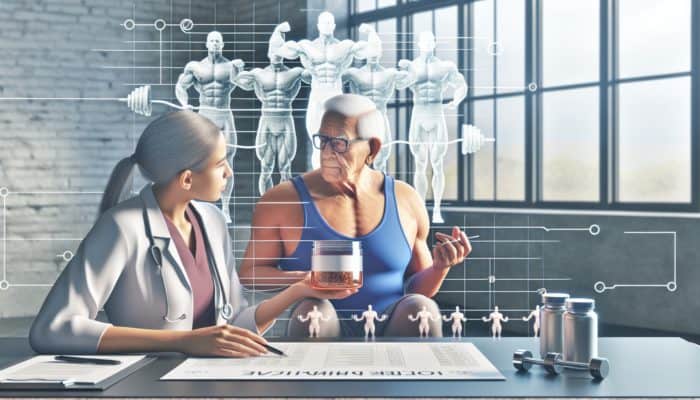
Determining the ideal dosage of BCAAs for older adults is essential for maximizing their benefits effectively. While guidelines can differ, a general recommendation suggests a daily intake of 5-10 grams to adequately support muscle health and recovery. This dosage is crucial for maintaining optimal muscle protein synthesis, particularly for individuals who regularly engage in physical activities.
It is vital for aging fitness enthusiasts to consult healthcare professionals or nutritionists to tailor their intake based on their specific needs. Factors such as body weight, activity levels, and overall health should be considered when personalizing BCAA supplementation, ensuring that older adults can reach their fitness objectives without experiencing undesirable effects.
How Do BCAAs Facilitate Muscle Health and Recovery?
What Processes Are Involved in Muscle Protein Synthesis?
BCAAs play a crucial role in stimulating the process of muscle protein synthesis, which is necessary for muscle growth and repair. For older adults, preserving muscle mass is vital for maintaining functional independence and enhancing overall quality of life. BCAAs actively promote the activation of pathways responsible for protein synthesis, a function that becomes increasingly significant as natural muscle-building mechanisms decline with advancing age.
The muscle protein synthesis process encompasses several critical steps, including:
- Activation of mTOR: BCAAs, particularly leucine, initiate the mTOR pathway, a central regulator of cellular growth.
- Amino Acid Availability: Adequate levels of amino acids, including BCAAs, must be present in the bloodstream to facilitate effective protein synthesis.
- Translation of mRNA: The genetic information pertaining to muscle proteins is transformed into actual proteins, a process that BCAAs help to enhance.
- Inhibition of Muscle Breakdown: By promoting a positive nitrogen balance, BCAAs contribute to limiting muscle degradation.
By understanding these mechanisms, aging fitness enthusiasts can appreciate more fully how BCAAs contribute to preserving muscle mass and physical capabilities, making them an essential component of any fitness regimen.
What Role Do BCAAs Play in Muscle Recovery Following Exercise?
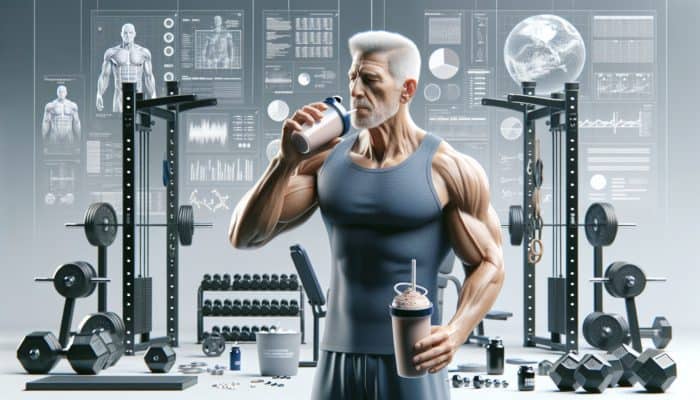
BCAAs are instrumental in facilitating muscle recovery after intense workouts. The recovery phase is particularly crucial for older adults, who may require additional time to recuperate due to age-related physiological changes. By alleviating muscle soreness, BCAAs expedite recovery times, enabling seniors to participate in regular training sessions and enhance their overall fitness levels.
Following strenuous exercise, muscles can incur trauma, resulting in discomfort and microtears that necessitate repair. BCAAs assist in this repair process by minimizing muscle damage and reducing soreness. Furthermore, they can help replenish depleted energy levels, allowing older adults to return to their fitness activities sooner. This aspect is particularly beneficial for maintaining a consistent exercise routine, which is essential for overall health and wellness.
How Do BCAAs Help Prevent Muscle Breakdown During Stressful Conditions?
As individuals age, the body may face increased stress or rigorous exercise, leading to the breakdown of muscle tissue for energy. This catabolic state can be detrimental, especially for older adults striving to maintain muscle mass. BCAAs serve as a protective agent against this breakdown, working to preserve muscle tissue during stressful times.
By providing readily available energy sources during intense workouts or caloric deficits, BCAAs help prevent the body from utilising muscle tissue as fuel. This preservation of muscle mass is crucial for aging fitness enthusiasts aiming to enhance their performance while counteracting age-related muscle loss. Therefore, incorporating BCAAs into their dietary plan can act as a vital safeguard against muscle degradation.
How Do BCAAs Improve Muscle Endurance for Older Adults?
BCAAs can significantly boost muscle endurance, which is crucial for older adults engaged in a variety of physical activities. Aging fitness enthusiasts frequently encounter challenges related to fatigue and stamina, which can obstruct their ability to perform at higher intensities. By delaying the onset of fatigue, BCAAs empower seniors to endure longer and more strenuous workouts, essential for sustaining muscle health and overall vitality.
Through various mechanisms, including reducing perceived exertion and enhancing energy production, BCAAs enable older adults to safely push their limits. This enhancement translates into superior workout performance, allowing them to enjoy longer sessions of their preferred activities—whether it’s hiking, swimming, or participating in group fitness classes. Ultimately, BCAAs equip aging fitness enthusiasts to pursue their physical activities with greater ease and enjoyment.
Insights from Experts on Maximising the Benefits of BCAAs for Aging Fitness Buffs
How Can BCAAs Improve Overall Workout Performance?
BCAAs can provide a significant energy boost during workouts, empowering aging fitness enthusiasts to elevate their performance levels. By minimising feelings of fatigue and soreness, BCAAs create an environment conducive to exercise, allowing older adults to engage in higher-intensity workouts or extended durations without succumbing to exhaustion.
For instance, an older individual may experience a marked increase in endurance during cycling or weightlifting sessions after incorporating BCAAs into their routine. This newfound stamina can lead to enhanced performance metrics, such as increased repetitions or longer distances, ultimately contributing to better overall fitness outcomes. Many older athletes report improved performance and quicker recovery times after including BCAAs in their supplementation regimen.
What Is the Optimal Timing for BCAA Supplementation?
Timing is crucial for maximising the benefits of BCAAs. Depending on individual fitness objectives, taking BCAAs at strategic times can yield different effects on muscle recovery and performance. Optimal timing can include before, during, or after workouts, each offering unique advantages.
For example, consuming BCAAs before workouts can prepare muscles and energise them for exertion. Taking BCAAs during exercise can provide immediate support, especially during endurance activities, while post-workout intake can enhance recovery and muscle repair processes.
To determine the best timing, aging fitness enthusiasts should consider their training schedules and workout intensity levels. Experimenting with various timings can help identify the most effective approach for individual needs, thereby maximising overall effectiveness and benefits.
How to Effectively Combine BCAAs with Other Supplements?
BCAAs can be effectively paired with various supplements to amplify their benefits. For aging fitness enthusiasts, recognising these combinations is essential for maximising their impact on workout performance and recovery. Combining BCAAs with protein powders can further enhance protein synthesis, while pairing them with creatine may promote strength gains and muscle endurance.
For instance, a comprehensive pre-workout regimen incorporating both BCAAs and a protein supplement can provide older adults with the necessary fuel for optimal performance during high-intensity workouts. Additionally, understanding the synergistic effects of these combinations allows aging fitness enthusiasts to create more effective supplement plans tailored to their specific fitness goals.
How Do BCAAs Facilitate Muscle Recovery for Older Adults?
The recovery process holds immense significance for aging fitness enthusiasts, and BCAAs play a vital role in this aspect. They assist in muscle repair and alleviate soreness following workouts, enhancing older adults' ability to maintain an active lifestyle. The scientific basis behind BCAAs and recovery lies in their capacity to boost protein synthesis and reduce muscle damage.
Emerging research indicates that BCAAs can significantly lower muscle soreness and accelerate recovery times in older populations. By incorporating BCAAs into their post-workout routines, seniors can achieve improved results, allowing them to remain active and engaged in their fitness pursuits. This support is crucial, as it promotes a healthier, more active lifestyle, fostering overall well-being.
What Are the Best Practices for Effective BCAA Supplementation?
How to Determine the Ideal BCAA Dosage?
Identifying the appropriate dosage of BCAAs is vital for achieving optimal results without adverse effects. Individual requirements can vary considerably based on factors such as body weight, physical activity levels, and overall health. To ensure effective supplementation, consider the following factors when determining the right dosage:
- Body Weight: Heavier individuals may require higher doses to achieve comparable effects.
- Activity Level: Those participating in intense workouts may need to increase their intake of BCAAs.
- Fitness Goals: Different objectives, such as muscle gain or recovery, may necessitate varying dosages.
- Dietary Intake: It's essential to consider existing protein consumption from food sources as well.
By evaluating these variables, aging fitness enthusiasts can customise their BCAA intake to align with their personal fitness objectives, maximising benefits while minimising potential risks.
How to Choose a High-Quality BCAA Supplement?
Selecting the right BCAA supplement is crucial for ensuring both effectiveness and safety. Not all BCAA products are created equal, so aging fitness enthusiasts should be discerning in their choices. Look for supplements that showcase high purity levels, pleasant taste profiles, and third-party testing to validate ingredient quality.
Additionally, reviewing the ingredient list for artificial fillers, additives, or unnecessary sugars that may diminish the supplement's overall quality is vital. Prioritising products with transparent labeling and proven effectiveness can empower older adults to make informed decisions about their BCAA supplementation.
How to Incorporate BCAAs into a Balanced Nutritional Plan?
While BCAAs offer numerous advantages, they should complement a well-rounded diet rich in whole, nutrient-dense foods. Effectively incorporating BCAAs into a nutrition plan is essential for the overall health and wellness of aging fitness enthusiasts.
To achieve a balanced diet, it's crucial to include a variety of protein sources, such as lean meats, fish, dairy products, legumes, and nuts. This diversity ensures adequate amino acid intake while supporting overall nutritional balance. Recognising BCAAs as a supplement—rather than a substitute for whole foods—can empower seniors to adopt healthier eating habits that promote long-term fitness and well-being.
Research-Driven Benefits of BCAAs for Aging Fitness Enthusiasts
What Insights Do Current Studies Reveal About BCAAs and Aging?
Numerous studies have explored the effects of BCAAs on aging populations, revealing compelling findings related to muscle health and physical performance. Research consistently demonstrates that BCAAs can positively impact muscle protein synthesis, helping to preserve muscle mass in older adults.
Moreover, studies indicate that BCAAs can enhance exercise performance and recovery, particularly among older individuals. Engaging with this robust body of research empowers aging fitness enthusiasts to make informed decisions regarding the integration of BCAAs into their routines, ultimately optimising their fitness outcomes.
How Do BCAAs Influence Cognitive Function in Older Adults?
Emerging research suggests that BCAAs may extend their benefits beyond muscle health, potentially supporting cognitive function in older adults. Studies indicate a correlation between BCAA levels and improved mental clarity, focus, and memory retention.
This connection is particularly relevant for aging individuals striving to maintain cognitive abilities alongside their physical fitness. By promoting both cognitive and muscular health, BCAAs can serve as a unique ally for older adults aiming to enhance their overall quality of life and independence.
What Are the Long-Term Effects of Regular BCAA Supplementation?
Understanding the long-term impacts of BCAAs on aging bodies is vital for developing effective supplementation strategies. Research suggests that consistent BCAA intake can lead to sustained improvements in muscle mass and overall fitness levels.
Additionally, regular supplementation may help mitigate age-related muscle loss, providing older adults with a stronger foundation for their fitness journeys. By embracing the long-term benefits of BCAA supplementation, aging fitness enthusiasts can lay the groundwork for a healthier, more active lifestyle as they navigate the aging process.
How Can BCAAs Improve Seniors' Quality of Life?
Enhancing Mobility and Independence Through BCAAs
Maintaining muscle strength is crucial for mobility and independence as one ages. BCAAs play a pivotal role in promoting muscle health, enabling seniors to engage in daily activities with greater ease and confidence. By supporting muscle preservation and recovery, BCAAs can significantly enhance the quality of life for older adults.
With improved strength and mobility, seniors are more likely to maintain their independence, participate in social activities, and pursue hobbies that bring joy and fulfilment. Thus, BCAAs serve as a foundational element for improving seniors' overall quality of life by empowering them to remain active contributors to their communities.
What Impact Do BCAAs Have on Mental Well-Being?
There exists a profound connection between physical fitness and mental health, forming a symbiotic relationship that significantly affects overall well-being. BCAAs can contribute to enhanced mental health by supporting physical activity levels, which in turn elevates mood and cognitive function.
Engaging in regular exercise releases endorphins, which are known to alleviate stress and anxiety. By allowing older adults to maintain consistent physical activity through effective muscle recovery and endurance enhancement, BCAAs indirectly foster mental well-being, promoting a positive outlook on life.
How Do BCAAs Assist in Managing Chronic Health Conditions?
Certain chronic conditions can be more effectively managed through regular physical activity, and BCAAs can support seniors in staying active, thus aiding in the management of diseases such as diabetes and heart disease. By improving muscle function and recovery, BCAAs enable older adults to engage in the physical activities necessary for effectively managing these health conditions.
Staying active not only helps with weight control and blood sugar regulation but also enhances cardiovascular health. By integrating BCAAs into their routines, seniors can develop a stronger fitness strategy that supports chronic disease management, ultimately leading to a healthier and more fulfilling life.
What Nutritional Support Do BCAAs Provide for Aging Individuals?
BCAAs can serve as essential nutritional support for older adults aiming to maintain their muscle mass and overall health. As the demand for protein increases with age, incorporating BCAAs into a comprehensive diet can assist older individuals in meeting their nutritional needs more effectively.
By facilitating muscle repair and supporting overall health, BCAAs help ensure that seniors can sustain an active lifestyle, which is vital for promoting longevity and overall wellness. This nutritional support becomes increasingly critical as older adults navigate the complexities associated with aging.
Practical Strategies for Aging Fitness Buffs to Utilise BCAAs Effectively
How to Create a BCAAs-Focused Workout Regimen?
Designing a workout plan that emphasises BCAAs can help aging fitness enthusiasts maximise their benefits. For optimal results, the regimen should include exercises specifically targeting muscle growth and recovery. Consider incorporating a blend of strength training, flexibility exercises, and endurance activities to create a well-rounded fitness routine.
Strength training exercises, such as weightlifting or resistance band workouts, should be performed 2-3 times a week to stimulate muscle growth. Additionally, integrating cardiovascular workouts like brisk walking or cycling can enhance endurance. Lastly, flexibility training—such as yoga or stretching—can improve overall mobility and recovery. Together, these components form a comprehensive fitness strategy that effectively leverages the benefits of BCAAs.
What Common Mistakes Should Be Avoided When Supplementing with BCAAs?
Many individuals encounter pitfalls when beginning BCAA supplementation, which can undermine its effectiveness. Common mistakes include improper dosing, poor timing of intake, and neglecting to pair BCAAs with a balanced diet. Recognising these errors can assist aging fitness enthusiasts in ensuring effective usage.
For instance, both underdosing and overdosing BCAAs may fail to yield the desired outcomes. Furthermore, overlooking the importance of timing—such as neglecting to consume BCAAs pre-workout—can diminish their advantages. Finally, relying solely on BCAAs without integrating them into a comprehensive nutritional plan may result in insufficient overall nutrient intake. Acknowledging these common pitfalls enables seniors to optimise their BCAA usage for superior results.
How to Track Progress and Adjust BCAA Intake Accordingly?
Monitoring fitness progress is essential for aging fitness enthusiasts looking to optimise their BCAA intake. Regularly assessing workout performance, recovery times, and general well-being can offer valuable insights into the effectiveness of BCAA supplementation.
Adjusting BCAA intake based on progress can help tailor the regimen to individual needs. For instance, if an older adult experiences prolonged muscle soreness or fatigue, they might consider increasing their BCAA dosage or modifying the timing of intake. This flexibility allows seniors to refine their supplementation strategies, ultimately ensuring they achieve their fitness goals more efficiently.
Frequently Asked Questions (FAQs)
What Are BCAAs and Their Role in Muscle Health?
BCAAs, or Branched-Chain Amino Acids, consist of leucine, isoleucine, and valine, which are essential for muscle growth and recovery.
How Do BCAAs Benefit Aging Fitness Enthusiasts?
BCAAs help preserve muscle mass, enhance recovery, and minimise fatigue, enabling older adults to maintain their fitness levels effectively.
How Much BCAAs Should Older Adults Aim to Consume Daily?
A daily intake of 5-10 grams of BCAAs is generally recommended for older adults to support muscle health and recovery optimally.
When Is the Most Effective Time to Take BCAAs?
BCAAs can be consumed before, during, or after workouts, depending on individual goals and preferences, to maximise their benefits.
Can BCAAs Be Combined with Other Supplements for Enhanced Effects?
Yes, BCAAs can be effectively combined with protein powders or creatine to amplify their effects and support overall fitness objectives.
How Do BCAAs Aid in Muscle Recovery?
BCAAs help reduce soreness and accelerate recovery times, facilitating easier engagement in consistent exercise for older adults.
Are All BCAA Supplements Created Equal?
No, not all BCAA supplements possess the same quality. It's crucial to select high-quality products that have undergone third-party testing for reliability.
Can BCAAs Support Cognitive Function in Older Adults?
Emerging studies suggest that BCAAs may enhance cognitive function alongside their muscle health benefits.
What Factors Should Be Considered When Adjusting BCAA Intake?
Factors such as body weight, activity levels, and overall fitness objectives should be taken into account when determining BCAA dosage.
How Do BCAAs Improve Quality of Life for Seniors?
BCAAs enhance muscle strength and recovery, contributing to improved mobility, independence, and overall well-being for older adults.
Connect with us on Facebook!
The Article Bcaas For Aging Fitness Buffs: Unlocking Vitality appeared first on https://athleticsupplement.com
The Article BCAAs: Unlocking Vitality for Aging Fitness Enthusiasts Was Found On https://limitsofstrategy.com