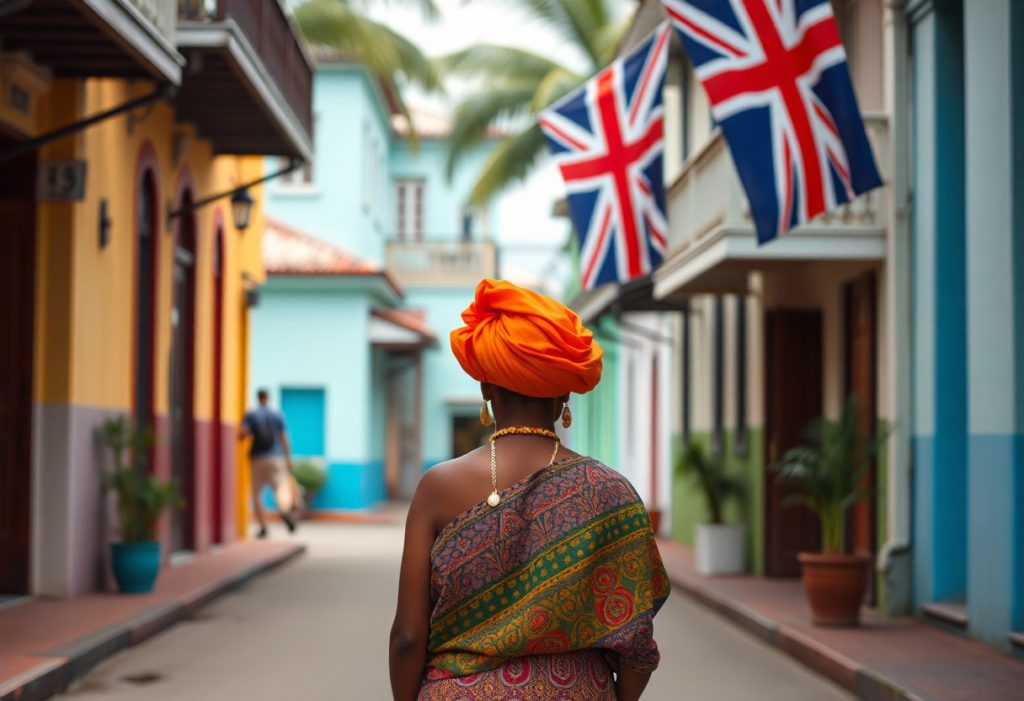
Belize proudly stands as the sole English-speaking nation in Central America, a unique characteristic rooted in its rich historical narrative and British colonial legacy. This exceptional status reflects centuries of cultural and linguistic evolution influenced by British settlers, known as the Baymen, who established their foothold in the region during the 17th and 18th centuries. Their presence significantly transformed the local culture and language, leading to the formal designation of British Honduras. This designation not only reinforced the use of English as the official language but also solidified a distinctive linguistic identity that sets Belize apart from its predominantly Spanish-speaking neighbours.
Understanding the Historical Background of Belize's Linguistic Identity
The evolution of language in Belize is deeply intertwined with its complex colonial history, showcasing a rich tapestry of diverse influences. The English-speaking identity that defines Belize results from a unique blend of British colonialism, local indigenous cultures, and interactions stemming from maritime trade. As you explore the historical timeline, you will uncover how British intervention played a crucial role in shaping the nation’s cultural and linguistic identity, transforming a largely territorial region into a vibrant nation with its own unique identity.
The Profound Influence of the British Colonial Era on Language
Beginning in the early 17th century, the influx of British settlers initiated a significant shift in the linguistic landscape of Belize. The gradual adoption of English by British logwood traders and settlers as the primary language for administration and commerce marked a pivotal moment. Their economic activities, particularly in timber extraction, and subsequently in agriculture, systematically embedded English within local communication. This foundational shift paved the way for the flourishing of English as the predominant language in the region.
Significant Milestones Leading to Belize's Independence
The history of Belize’s journey towards independence is marked by several key milestones, illustrating a series of transformative events from British colonial rule to the achievement of sovereign status in 1981. Noteworthy events include progressive constitutional reforms, beginning with the self-governance period initiated in 1964, and the subsequent negotiations for independence. These developments reflect a strategic evolution that ensured the enduring prominence of English as the official language throughout this transformative phase.
A Detailed Examination of Independence and Its Consequences
An in-depth analysis of Belize’s path to independence reveals a multifaceted political transformation. You will gain insights into how peaceful negotiations with the United Kingdom facilitated a seamless transition to self-governance. During this critical period, Belize maintained robust linguistic and administrative ties to British systems, significantly influencing its ongoing use of English. This historical context highlights how Belize effectively leveraged its colonial heritage to craft a distinct national identity while progressing towards independence.
The Role of English in Colonial Education Frameworks
As you delve into the linguistic foundations of Belize, it becomes evident that British colonial education policies were instrumental in shaping the nation’s language dynamics. The British established English as the primary language of instruction, creating a strategic educational framework that had lasting implications for Belize’s cultural communication. This educational approach ensured that English became the dominant medium of learning, thereby transforming the educational landscape for generations of Belizeans.
The Development of Educational Institutions During British Rule
In Belize, educational establishments were created under the direct oversight of British colonial authorities, with missionary schools playing a crucial role in disseminating language and culture. These early institutions were not solely academic; they were strategically designed to promote English linguistic standards. The British established schools that prioritised English instruction, fostering a structured educational environment that gradually diminished the prevalence of indigenous languages.
Increased Literacy Rates and Proficiency in English
Throughout your exploration, you will notice that English literacy rates in Belize saw remarkable growth during the colonial period. By the mid-20th century, approximately 75% of the population had acquired functional English language skills. This statistic illustrates the effectiveness of the educational initiatives led by British authorities. This shift was not merely an academic accomplishment; it represented a significant cultural transformation that reshaped Belizean society's identity.
Learning English emerged as a vital tool for social mobility and economic advancement. You will understand that language acquisition transcended mere educational objectives, symbolising a pathway to enhanced opportunities. The British colonial framework effectively linked English proficiency to professional progress, motivating Belizeans to embrace the language. Mastery of English facilitated access to better job prospects, administrative roles, and elevated social standing, rendering language an essential mechanism for cultural and economic integration.
Examining the Contrast Between Official Language and Local Dialects
As you investigate Belize’s linguistic environment, you will uncover its intricate and multifaceted dynamics. While English is recognised as the official language, the nation’s communication is enriched by a vibrant mix of cultural influences. You will find that, despite its colonial origins, language in Belize is not a simple binary; rather, it is a dynamic interplay of historical and social forces influencing communication across diverse communities.
The Importance of English in Belizean Society
Beyond its official status, English functions as the primary language for government, education, and media in Belize. Notably, approximately 63% of the population speaks English as either their first or second language, underscoring its deep-rooted significance within Belizean society. This linguistic predominance stems from the nation’s British colonial heritage, continuing to play a vital role in shaping Belizean national identity.
The Rise of Belizean Creole as a Cultural Expression
Local Belizean Creole, commonly known as Kriol, emerges as a dynamic linguistic hybrid, showcasing a unique amalgamation of English vocabulary and African grammatical structures. Approximately 37% of the population communicates in this language, which serves as a powerful testament to cultural resilience and identity, transcending the constraints of colonial linguistic frameworks.
Legal documents and linguistic research indicate that Belizean Creole originated during the slavery era, evolving as a means of communication among enslaved Africans from various linguistic backgrounds. You will appreciate how this language has transformed into a symbol of cultural endurance and resistance, evolving from a basic survival tool to a proud marker of Belizean heritage.
Diverse Minority Languages Coexisting in Belize
Beyond the dominant languages, you will discover Belize’s impressive array of languages. Maya languages such as Q’eqchi’ and Mopan, along with Spanish and Garifuna, coexist within this multilingual landscape, representing approximately 25% of the population’s linguistic diversity. This rich variety is a testament to Belize’s complex historical and cultural interactions.
The linguistic diversity present in Belize goes beyond mere communication; it acts as a reflection of cultural preservation. You will find that speakers of minority languages actively seek to maintain their linguistic heritage through community education, cultural festivities, and intergenerational transmission. These languages serve not only as communication tools but also as living repositories of historical and cultural wisdom.
Modern Implications of Linguistic Diversity in Belize
Belize’s linguistic heritage not only mirrors its multifaceted colonial past but also influences current social and economic dynamics. You will find that the multilingual landscape offers unique opportunities and challenges, with English acting as a cohesive force while simultaneously preserving the nation’s rich cultural diversity. This linguistic complexity enables Belizeans to navigate global interactions while honouring their distinct national identity.
Education Systems and Bilingual Programs in Belize
Language serves as a fundamental element within Belize’s educational framework, where bilingual education is actively promoted. As you explore this aspect, you will discover that schools prioritise instruction in both English and Spanish, allowing students to develop comprehensive communication skills. This dual-language approach ensures that students gain appreciation for multiple cultural perspectives, preparing them for diverse professional opportunities in an increasingly interconnected global environment.
Government Communications Conducted in English
Official government communications predominantly utilise English, enhancing administrative efficiency. You will observe that official documents, legislative proceedings, and public announcements are consistently issued in English, reflecting the lasting impact of British administrative practices in Belize.
Examining Belize’s governmental language practices reveals a sophisticated communication strategy. You will find that while English remains the primary administrative language, there is a growing recognition of the importance of multilingual communication within governmental institutions. Official translations and multicultural outreach initiatives reflect a commitment to inclusive governance that respects the country’s linguistic diversity.
The Economic Value of English in the Tourism Sector
In the wake of British colonial influence, English has emerged as a strategic economic asset. You will appreciate how this linguistic advantage attracts international tourists and investors, establishing Belize as an appealing destination for English-speaking visitors and businesses.
The presence of multilingualism is reshaping Belize’s economic landscape, creating competitive advantages in global markets. You will witness how the ability to communicate effectively in English facilitates international trade, tourism growth, and cross-cultural business interactions. This linguistic flexibility positions Belize as an attractive location for foreign investment and cultural exchanges.
The Lasting Heritage of British Influence on Language
Despite its geographical closeness to Spanish-speaking countries, Belize’s linguistic heritage is a direct consequence of British colonial governance. You will find that the English language became deeply embedded during the lengthy period of British Honduras, establishing a distinctive linguistic landscape that differentiates Belize from its Central American counterparts.
Cultivating Cultural Identity and National Pride
Prior to achieving independence in 1981, Belizeans cultivated a multifaceted cultural identity that fused British administrative traditions with local indigenous and Caribbean influences. This rich multicultural heritage transformed English from a mere colonial language into a powerful symbol of national unity and pride, reflecting the nation’s diverse cultural fabric.
Maintaining Connections to the British Monarchy
Belize retains a fascinating constitutional link to the British Crown, functioning as a Commonwealth realm. You will observe that historically, Queen Elizabeth II served as the head of state, with a Governor-General representing her interests in Belize.
The intertwining of cultures persists in Belize’s ongoing relationship with the British monarchy. While the King of the United Kingdom remains the official head of state, everyday governance is conducted by elected Belizean officials. This unique arrangement symbolizes the enduring diplomatic and historical connections between Belize and the United Kingdom.
Understanding Belize’s Political Framework: Governance Structure
In 1981, Belize transitioned to a parliamentary democratic system inspired by the British Westminster model. You will find that this political structure guarantees democratic representation while preserving symbolic links to British governmental traditions.
The cultural legacies of British governance continue to influence Belize’s political landscape. The country operates under a parliamentary democracy, with a Prime Minister serving as the head of government and a monarch acting as the ceremonial head of state. This system reflects the enduring British administrative traditions that have significantly shaped Belize’s governance since colonial times.
Investigating Sociolinguistic Research in Belize
A wealth of sociolinguistic studies has examined the intricate language dynamics of Belize, focusing on how English interacts with Creole, Spanish, and indigenous languages. You will find that the linguistic landscape serves as a reflection of the country’s unique multicultural heritage. Academic research underscores the role of language as a critical marker of national identity, tracing the complex social interactions that shape communication across diverse communities.
Analysing Language Attitudes and Social Perception
Research into language attitudes in Belize illustrates how English functions as a symbol of social mobility. You may be surprised to learn that perceptions of language can significantly impact social opportunities. Linguistic studies indicate that proficiency in English is frequently associated with educational and professional advancement, creating a complex social hierarchy that affects interpersonal relationships and economic prospects.
Documenting Linguistic Diversity Through Academic Research
Scholarly work in Belize has meticulously captured the remarkable linguistic diversity within the nation. You will discover that researchers have systematically mapped language variations across different regions, documenting the nuanced ways communities engage and communicate. These efforts serve to preserve the rich linguistic tapestry that characterises Belize’s unique communication patterns.
Given the depth of linguistic research, you’ll find that thorough documentation plays a vital role in understanding Belize’s language ecosystem. Researchers have undertaken extensive fieldwork to gather data on language use, document endangered languages, and analyse the intricate interactions between English, Creole, Spanish, and indigenous languages. Your appreciation of Belize’s linguistic landscape will be enriched by these systematic scholarly investigations, revealing how language mirrors historical, social, and cultural transformations.
Examining Language in Popular Culture
Your exploration of Belize’s linguistic environment highlights how English permeates daily life, reflecting the country’s multifaceted historical narrative. The language serves not only as a communication tool but also as a cultural identifier that connects diverse ethnic backgrounds, uniting Belizeans through a shared linguistic heritage rooted in British colonial history.
Music and Arts as Channels of Cultural Expression
Through their creative utilisation of English, Belizean artists transform language into a vibrant medium for cultural storytelling. Musical genres such as punta rock and traditional Creole performances exemplify how English intertwines with local rhythms, empowering artists to convey the nuanced experiences of identity, struggle, and celebration.
The Influence of Media on Language Perception
Within Belize’s media landscape lies a robust linguistic ecosystem where English predominates across television, radio, and digital platforms. Local news outlets and radio stations primarily broadcast in English, reinforcing its status as the principal communication channel and national language.
Culture plays a transformative role in media’s linguistic influence, with broadcasting networks strategically utilising English to engage a diverse audience. Approximately 63% of Belizean media content is produced in English, underscoring its substantial impact on language perception and national communication strategies. Your understanding of this dynamic illustrates how media functions as a critical mechanism for language preservation, ensuring the relevance of English in contemporary Belizean society.
Addressing Challenges in Language Preservation
Despite the rich array of linguistic diversity, Belize faces significant challenges in preserving its unique linguistic heritage. You will find that while English retains its status as the official language, the nation’s linguistic landscape increasingly encounters threats from gradual language erosion and evolving social dynamics that challenge traditional communication patterns.
Identifying Endangered Local Languages
At the intersection of globalization and cultural transformation, indigenous languages such as Kriol, Garifuna, and Maya are under unprecedented pressure. You can observe how younger generations are increasingly gravitating towards English, which risks leading to a dramatic decline in linguistic heritage within a single generation or two.
Implementing Strategies for Language Preservation
Safeguarding the linguistic diversity of Belize necessitates comprehensive, multifaceted approaches. You will discover that educational initiatives, community involvement, and cultural documentation play vital roles in preserving linguistic diversity. Local schools are adopting bilingual curricula to ensure that younger generations remain connected to their linguistic roots.
Combatting the threats to linguistic diversity calls for proactive measures. It is essential to recognise that preserving languages requires more than mere academic documentation—it demands active participation from the community. Collaborative efforts between governmental bodies, educational institutions, and indigenous communities can promote sustainable language revitalisation initiatives. Additionally, digital platforms, multimedia resources, and intergenerational knowledge transfer are increasingly crucial in maintaining Belize’s linguistic richness.
Conducting Comparative Linguistic Studies
To appreciate the complexity of Belize’s linguistic environment, you will encounter a nuanced comparison between its language patterns and regional variations. The following table illustrates key linguistic characteristics:
| Language Characteristic | Belize Specifics |
|---|---|
| Primary Language | English (Official) |
| Secondary Languages | Spanish, Kriol, Garifuna |
Contextualising English within the Caribbean Framework
An important aspect of Belize’s linguistic heritage is its alignment with Caribbean English variants. You will observe that British colonial influence has profoundly shaped language development, resulting in distinctive communication patterns shared across former British territories.
Unveiling Belize’s Unique Linguistic Landscape
History demonstrates that the evolution of language in Belize is a product of complex colonial interactions. You’ll discover a vibrant multilingual environment where English coexists with indigenous and immigrant languages, reflecting the country’s rich cultural diversity.
This context illustrates that Belize’s linguistic diversity is more than a historical remnant; it serves as a powerful narrative of survival, adaptation, and cultural resilience. You will appreciate how English acts as a unifying medium while simultaneously preserving unique cultural identities, with approximately 62.9% of the population communicating in English as either a primary or secondary language.
International Influences Shaping Belize's Linguistic Framework
International forces have not only shaped Belize’s linguistic environment but also significantly influenced its cultural and economic development. The British colonial legacy intertwines with ongoing international relationships, crafting a unique national identity that transcends traditional boundaries. Your exploration of Belize’s linguistic evolution reveals a complex narrative of power, migration, and cultural exchange.
The Role of Globalisation in Linguistic Dynamics
By embracing global communication networks, Belize has positioned itself as a multilingual hub, wherein English serves as a strategic advantage. Your investigation into linguistic dynamics uncovers how international trade, tourism, and educational exchanges have solidified English's role as a primary communication tool, enabling Belizeans to engage effectively in global conversations.
The Impact of Diaspora Communities on Linguistic Identity
In discussions surrounding Belize’s linguistic identity, it is imperative to consider the substantial influence of diaspora communities. Migrant networks have consistently bolstered English language practices, establishing transnational connections that sustain cultural and linguistic continuity across borders.
The transformation of Belize’s social fabric is largely attributed to trade networks and migration patterns. Diaspora communities residing in the United States, United Kingdom, and Canada have maintained strong ties to their homeland, facilitating remittances, sharing cultural knowledge, and preserving linguistic traditions. Your understanding of these dynamics highlights how approximately 15% of Belize’s population lives abroad, creating powerful channels of cultural and linguistic exchange that continually reshape national identity.
Envisioning the Future of Language in Belize
It is essential to acknowledge that Belize’s linguistic landscape continues to evolve, blending historical influences with contemporary dynamics. Although English remains the official language, the nation’s multilingual identity promises an exciting and diverse future. You will find that Belize’s commitment to linguistic diversity reflects its rich cultural heritage, with Creole, Spanish, and indigenous languages playing integral roles in shaping communication patterns.
Projecting Linguistic Trends and Developments
Amidst the forces of globalisation and local cultural preservation, you can anticipate that Belize’s language ecosystem will become increasingly complex. Younger generations are likely to become more multilingual, enhancing their proficiency in Spanish and indigenous languages alongside English. The country’s educational policies and economic opportunities will continue to shape these linguistic transformations, potentially creating a more nuanced communication landscape.
The Significance of Language Policy and Strategic Planning
Language policy is pivotal in determining Belize’s linguistic future, with governmental strategies and educational initiatives taking centre stage. Safeguarding linguistic diversity is essential for policymakers who acknowledge the necessity of preserving cultural identities while fostering effective communication.
Moreover, comprehensive planning is vital to balance preservation and progression. Educational institutions play a crucial role in developing multilingual curricula that honour Belize’s diverse linguistic heritage. You will find that strategic language planning can help maintain English as a unifying language while simultaneously fostering the growth of other languages within the country.
Case Studies Highlighting Language Usage Trends
Belize’s linguistic landscape presents fascinating patterns of language integration. The following case studies illuminate the intricate dynamics of English usage across various societal contexts:
- Urban centres such as Belize City: 98% English proficiency
- Rural Mayan communities: 65% bilingual rates
- Coastal regions: High prevalence of Creole language
- Professional sectors: 85% English-dominant communication
- Educational institutions: Mandatory English instruction
Exploring Language Dynamics in Rural versus Urban Settings
Before diving into linguistic variations, it is crucial to recognise that rural and urban environments exhibit distinct communication patterns. Rural areas maintain stronger ties to indigenous languages, while urban centres demonstrate more standardised English usage, creating a nuanced linguistic ecosystem that reflects Belize’s intricate historical heritage.
The Impact of Multilingual Families on Children’s Language Skills
Among Belizean families, multilingual transmission embodies a dynamic cultural phenomenon. Children often navigate between English, Spanish, Kriol, and indigenous languages, fostering exceptional linguistic flexibility from a young age.
Further investigation reveals that bilingual families confer significant cognitive benefits to children. Neurological studies indicate that multilingual exposure enhances cognitive processing, nurturing adaptive communication skills that transcend conventional linguistic boundaries. You will find that these children exhibit improved problem-solving abilities and cultural adaptability, positioning them as unique linguistic ambassadors in an interconnected global landscape.
Noteworthy Contributions of Advocates for Language Preservation
For decades, advocates for language preservation in Belize have played a crucial role in maintaining and promoting English as a national communication tool. You will discover that these individuals have been pivotal in shaping the linguistic landscape, ensuring that English remains a unifying force across diverse ethnic groups. Their advocacy has transformed language from a colonial remnant into a powerful instrument of national identity.
The Role of Linguists and Activists in Language Advocacy
Linguistic experts and social activists in Belize have been instrumental in understanding and promoting the dynamics of language. You will find that their meticulous documentation of English’s evolution highlights its significance beyond colonial narratives. Their research illustrates how language preservation contributes to cultural resilience and national unity, making English a powerful symbol of Belizean social cohesion.
The Influence of Policymakers on Language Strategy
Government officials in Belize have strategically established English as the official language, recognising its potential to enhance international communication and spur economic growth. You will see how their policies have systematically integrated English within education, governance, and public services, ensuring broad linguistic accessibility and opportunity.
Linguists and policymakers have collaborated to devise comprehensive language strategies. You will appreciate how they have crafted educational frameworks that protect linguistic diversity while ensuring that English remains the primary medium of instruction. Their approach acknowledges that language policy transcends mere communication; it is integral to national identity formation. By investing in bilingual and multilingual education programs, they have ensured that Belize’s linguistic landscape remains dynamic and inclusive.
Key Insights into Belize’s Linguistic Evolution
In summary, Belize’s linguistic landscape is a reflection of its intricate colonial history. As you navigate through the country’s past, you will uncover that British colonial rule significantly influenced its language and cultural identity. The era of British Honduras established English as the official language, which continues to define Belize’s national communication today. Your understanding of this historical journey reveals how colonial legacies endure, with English serving as a unifying force among Belize’s diverse ethnic groups. When considering the country’s unique trajectory, you will realise that language is more than a means of communication—it is a testament to Belize’s resilient national spirit and its capacity to transform historical challenges into a distinctive cultural narrative.
Frequently Asked Questions Regarding Belize’s Language Dynamics
What explains Belize’s primary use of English despite its Central American location?
Belize’s predominant use of English can be traced back to its historical context as a British colony, known as British Honduras, from 1862 until 1981. The British established administrative and educational systems that entrenched English as the official language, creating a linguistic legacy that persists in modern Belizean society.
How did British colonial governance shape language development in Belize?
British colonial administrators mandated English as the language of government, education, and commerce. They rolled out educational policies requiring English instruction, effectively establishing it as the primary communication medium across both administrative and social domains.
What linguistic diversity exists alongside English in Belize?
While English is the official language, Belize features a rich linguistic landscape that includes Kriol (an English-based creole), Spanish, Garifuna, Maya languages, and Mandarin. This multilingual environment reflects the country’s diverse ethnic composition and complex historical interactions.
When did Belize gain independence, and how did this impact its language status?
Belize achieved independence from the United Kingdom on September 21, 1981. Despite attaining political independence, the country retained English as its official language, underscoring the enduring linguistic influence of British colonial governance.
How does language today reflect Belize’s national identity?
English embodies Belize’s historical ties to British colonial heritage while simultaneously representing its modern capacities for international communication. The language serves as a unifying element among Belize’s diverse ethnic groups and facilitates global economic and diplomatic interactions.
The Article Why Does Belize Speak English? Tracing Its Colonial Roots and Modern Identity appeared first on Belize Travel Guide
The Article Belize’s English: Exploring Colonial Roots and Modern Identity Was Found On https://limitsofstrategy.com