Master the Art of Braising: Your Comprehensive Cooking Handbook
What Exactly Is the Braising Technique and How Does It Operate?
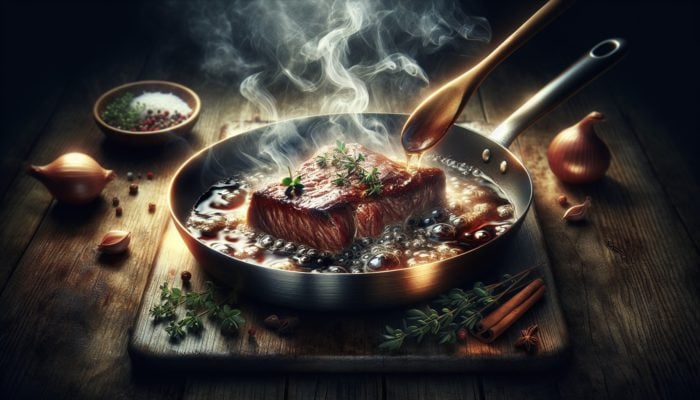
Understanding how to braise meat for irresistibly tender outcomes requires a deep dive into this versatile cooking method that harmoniously combines dry and moist heat. This technique is particularly adept at transforming tougher cuts of meat into succulent, flavour-packed dishes. The braising journey starts with browning the meat in a hot pan, creating a delectable, caramelized crust that is essential for enhancing the overall flavour profile of the dish. Following this crucial phase, the meat is submerged in liquid and simmered at low temperatures, allowing the connective tissues to gradually decompose. This dual-phase cooking approach not only softens the tougher cuts but also infuses them with the complex flavours derived from the braising liquid and accompanying aromatics, culminating in a truly exceptional meal.
The true allure of braising lies in its extraordinary adaptability. You can choose from a myriad of liquids, ranging from stock and wine to beer or even fruit juices, each reflecting the diverse culinary traditions across the globe. This technique shines in cuisines that embrace the essence of slow cooking, such as French, Italian, and Asian culinary arts. Ultimately, the result is not just tender meat but a rich tapestry of flavours, developed throughout the cooking process, that makes for a truly memorable dining experience.
How to Select the Ideal Cut of Meat for Braising
Choosing the right cut of meat is fundamental to achieving outstanding results during the braising process. Cuts that are tougher, brimming with connective tissue and fat, break down beautifully over slow cooking, yielding tender, juicy meat that is bursting with flavour. These cuts are often budget-friendly, making braising a fantastic option for hearty, satisfying meals.
Below are some exemplary cuts to consider for a successful braise:
- Chuck – Esteemed for its rich marbling and plentiful connective tissue, making it ideal for braising.
- Brisket – Transforms into an incredibly tender and flavourful dish when braised to perfection.
- Shank – Rich in collagen, making it perfect for creating a hearty and flavourful braise.
- Round – A cost-effective choice that can yield delicious results when braised properly.
- Pork shoulder – A classic favourite for pulled pork, excelling in the braising technique.
- Lamb shank – Provides a distinctive flavour profile that complements the braising process wonderfully.
- Oxtail – This rich, gelatinous cut creates a luxurious broth that enhances the final dish.
- Short ribs – Renowned for their depth of flavour and tender texture post-braising.
By selecting these cuts, you can immerse yourself in a world of global flavours and cooking styles, making braising an exciting and enriching technique to incorporate into your culinary repertoire.
What Essential Tools Do You Need for Successful Braising?
Equipping yourself with the right tools is critical for effective braising. A heavy-bottomed pot or Dutch oven serves as the perfect vessel, ensuring even heat distribution and consistent temperatures throughout the cooking process. Additionally, a tight-fitting lid is imperative, as it traps moisture and prevents the braising liquid from evaporating too quickly, which can compromise your dish.
Alongside your cooking pot, several essential utensils facilitate the braising process. Tongs are invaluable for handling the meat without losing heat, while a wooden spoon or spatula allows for effective stirring of aromatics and deglazing of the pot. Investing in a thermometer is also a wise decision, as it enables you to monitor the internal temperature of the meat, ensuring optimal doneness without the risk of overcooking. By preparing with these tools, you will be well-equipped to embark on a successful braising adventure, transforming tough cuts of meat into tender culinary masterpieces.
Proven Methods for Achieving Perfectly Braised Meat
What Are the Vital Steps for Successfully Braising Meat?
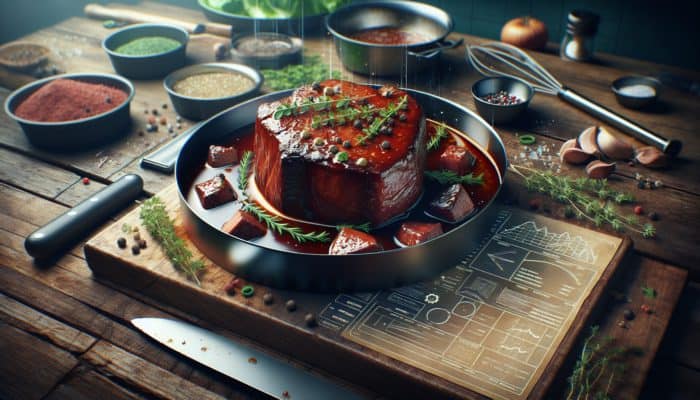
Braising is a sophisticated technique that encompasses several essential steps necessary for achieving optimal tenderness and flavour. The crucial steps include:
- Browning the meat – This fundamental first step develops rich, complex flavours.
- Incorporating aromatics – Ingredients such as onions, garlic, carrots, and various herbs significantly elevate the overall dish.
- Deglazing the pan – This captures the delectable browned bits, enriching the sauce.
- Simmering in liquid – This slow cooking method effectively breaks down tough fibres, resulting in tender meat.
By meticulously following these steps, you not only ensure that your meat becomes tender but also infuse it with robust, multi-layered flavours. The browning phase creates a delightful crust that contributes to the overall taste, while the addition of aromatics, including vegetables and herbs, enhances the dish's complexity. Deglazing allows you to integrate all those flavour-packed morsels stuck to the bottom of the pot, enriching your braising liquid immensely. Lastly, simmering at a low temperature enables flavours to meld beautifully while gently coaxing the meat into tenderness. Each step plays a crucial role in the final result, guaranteeing that your braised dish is both delightful and satisfying.
How Can You Intensify the Flavours During the Braising Process?
Enhancing the flavour during the braising journey is an art that can elevate your dish from ordinary to extraordinary. While the selection of meat and the cooking technique are foundational, the combination of herbs, spices, and liquids can create distinctive flavour profiles. Experimenting with various combinations can yield delightful and unexpected culinary results.
Consider these flavour enhancement techniques:
- Incorporate fresh herbs such as rosemary, thyme, and bay leaves for aromatic depth.
- Add spices like cumin, coriander, or smoked paprika for a unique flavour twist that excites the palate.
- Utilise citrus zest or juice to introduce brightness and acidity, enhancing the overall dish.
- Incorporate umami-rich ingredients like Worcestershire sauce or soy sauce to deepen the flavour complexity.
For instance, braising a beef chuck roast with red wine, garlic, and thyme can yield a robust dish that is characteristic of traditional French cuisine. Alternatively, utilizing a blend of coconut milk, ginger, and lemongrass for braising chicken can impart a distinctly Southeast Asian flavour profile. This versatility allows you to explore the culinary traditions of various cultures, making braising an exciting avenue for flavour exploration.
How to Ensure Temperature Control During the Braising Process?
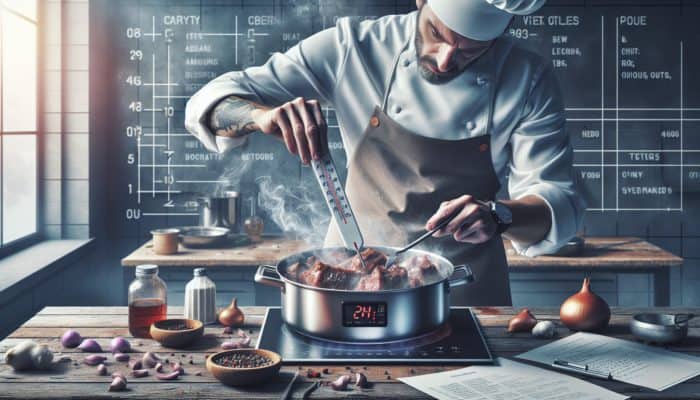
Maintaining the ideal temperature is paramount for achieving tender results in braising. The essence of this technique is to cook meat at a low simmer, typically between 150 °C and 180°C (300°F and 350°F). This gentle heat effectively breaks down connective tissues without drying out the meat, guaranteeing it remains moist and tender throughout the cooking process.
Here are some actionable strategies to maintain the perfect braising temperature:
- Preheat your oven or stovetop to the desired temperature before introducing the meat.
- Utilise a reliable thermometer to monitor the internal temperature of the meat as it cooks.
- Adjust the heat as necessary to maintain a steady simmer, avoiding boiling which can ruin the dish.
- Cover the pot with a lid to trap heat and moisture, promoting the slow cooking process.
By implementing these techniques, you can refine your braising skills and consistently achieve tender, flavourful results. A well-executed braise not only highlights the primary ingredients but also brings the dish's complexities to life. Mastering temperature control is fundamental, enabling you to transform tougher cuts into culinary delights that will impress your guests.
Comprehensive Preparation Techniques for Meat Prior to Braising
How Should You Effectively Prepare Meat for Braising?
The preparation of meat is a foundational step that lays the groundwork for successful braising. This process encompasses several key tasks, including trimming excess fat, seasoning, and possibly marinating the meat to amplify both flavour and tenderness.
Begin by trimming away any excessive fat; while some fat enhances flavour, an overabundance can lead to a greasy final dish. Seasoning the meat generously with salt and pepper is crucial, as it not only enhances the flavour but also aids in developing a delectable crust during the browning process. In certain instances, marinating the meat beforehand can further tenderize it and infuse additional flavours. A marinade can be made from various liquids, such as wine, vinegar, or even yogurt, which helps break down tough fibres effectively.
By adequately preparing your meat, you ensure an even distribution of flavours and set the stage for a successful braise. This foundational step is vital, as it directly influences the overall quality and taste of the finished dish, leading to a more satisfying culinary experience.
What Role Does Browning Play in the Braising Process?
Browning the meat prior to braising is a non-negotiable step that creates a flavour-rich crust through the Maillard reaction. This chemical reaction occurs between amino acids and sugars when exposed to heat, resulting in complex, savoury notes that significantly enhance the overall taste of the dish. Neglecting this step can lead to a less flavourful final product that lacks depth.
To achieve optimal browning, ensure that your pot is adequately preheated and that there is enough space to avoid overcrowding the meat. Overcrowding can lower the temperature of the pot, leading to steaming instead of the desired browning. A splash of oil in the pan is essential for achieving a good sear, allowing the meat to develop a golden-brown crust on all sides. This process not only enhances flavour but also adds visual appeal to your dish, making it more enticing.
Once browned, remember to deglaze the pan to capture those flavour-packed bits left behind. Incorporating these into your braising liquid will create a rich base for your dish. Browning is a foundational step that elevates your braising game, transforming it into a dish that is both flavourful and visually stunning, sure to impress anyone at your table.
How to Choose the Ideal Braising Liquid?
The selection of braising liquid can profoundly influence the flavour profile and richness of your final dish. The right liquid will complement the meat and aromatics, creating a harmonious and cohesive flavour experience. There are numerous options available, each presenting unique characteristics.
Common choices for braising liquids include:
- Stock – Rich in flavour, it serves as an excellent base for many braises.
- Wine – Both red and white wines can introduce acidity and depth, enhancing the dish.
- Beer – Adds a malty sweetness and complexity, perfect for hearty dishes.
- Fruit Juices – These can impart sweetness and unique flavour notes that elevate the dish.
Consider the overall flavour profile you wish to achieve. For instance, using a robust red wine for braising beef chuck can yield an intensely flavourful dish, while a lighter white wine might be better suited for chicken or pork. Don’t hesitate to explore various combinations to discover new and exciting flavours. The right braising liquid can elevate your dish, enriching the meat while creating a sauce that beautifully ties all elements together, enhancing your culinary creation.
Why Is Selecting the Right Cut of Meat Critical for Braising?
Choosing the appropriate cut of meat is essential for achieving success when braising. Tougher cuts that are rich in fat and connective tissue break down beautifully during the lengthy cooking time, resulting in meat that is tender and bursting with flavour.
Some of the ideal cuts include:
- Chuck – Known for its rich flavour and impressive marbling, making it perfect for braising.
- Brisket – Becomes incredibly tender with slow cooking, ideal for a comforting meal.
- Shank – A collagen-rich cut that yields a luxurious broth, enhancing the dish's depth.
- Pork shoulder – A popular choice for creating succulent pulled pork that delights the palate.
- Lamb shank – Offers a unique taste that enhances braised dishes, making them more memorable.
These cuts typically originate from areas of the animal that experience more activity, contributing to their toughness. However, when braised correctly, they transform into melt-in-your-mouth meals that are both comforting and satisfying. Selecting cuts with good marbling will also enhance the dish, as the fat renders during cooking, keeping the meat moist and flavourful. Understanding these factors empowers you to choose the optimal cuts for your braising endeavours, ensuring consistently delicious outcomes with each attempt.
What Are the Optimal Cooking Time and Temperature for Braising?
Braising requires a delicate balance of time and temperature to achieve perfect tenderness. Ideally, the cooking temperature should be set between 150 °C and 180°C (300°F and 350°F) to allow the meat to cook slowly and evenly. This low-and-slow approach is crucial for effectively breaking down the tough connective tissues present in the meat, resulting in melt-in-your-mouth tenderness.
Cooking times will vary based on the size and type of cut being braised. Generally, you can anticipate braising to take anywhere from 2 to 4 hours. A larger cut, for example, may require more time to become tender, whereas smaller pieces can finish sooner. Monitoring the meat for tenderness is essential; it should be fork-tender and easily pulled apart when fully cooked. Additionally, checking the internal temperature is beneficial, as most braised meats should reach around 90°C (195°F) for optimal tenderness.
By adhering to these guidelines, you can master the braising process, creating tender, flavourful dishes that will impress at any gathering. Understanding the interplay of cooking times and temperatures will empower you to achieve consistent, top-tier results every time you braise.
Research-Backed Advantages of Braising Meat for Tender and Flavourful Outcomes
What Nutritional Advantages Does Braised Meat Provide?
Braising not only transforms tough cuts of meat into tender culinary delights but also provides an array of nutritional benefits. By employing less expensive cuts that may be tougher, braising encourages greater variety in meat consumption while remaining budget-friendly. The slow cooking process retains nutrients that might otherwise be lost with quicker cooking methods, ensuring a wholesome meal.
Moreover, the addition of vegetables, herbs, and spices during braising enriches the dish with a wealth of nutrients and antioxidants. These components contribute to a more balanced meal, enhancing the overall nutritional profile. By embracing the braising technique, you can create wholesome, satisfying meals that deliver essential nutrients without straining your budget, making it a smart choice for health-conscious cooks.
How Does Braising Transform the Texture of Meat?
Braising profoundly affects the texture of meat by breaking down collagen and connective tissues that can render tougher cuts chewy and unpalatable. Throughout the slow cooking process, collagen transforms into gelatin, resulting in a moist and tender texture that is highly desirable in braised dishes.
This transformation is particularly effective for cuts rich in connective tissue, such as chuck or brisket. The gentle heat allows enzymes to act on the proteins, further tenderizing the meat over time. Consequently, the final dish boasts a luxurious mouthfeel, with flavours deeply infused throughout the meat. Understanding the science behind this transformation is essential for optimising your braising process and achieving the desired texture in your meals, ensuring that every bite is a delight.
What Is the Science Behind Tenderising Through Braising?
The low-and-slow cooking method inherent to braising permits a complex array of chemical reactions that lead to tenderisation. Enzymes and acids within the cooking liquid work together to break down proteins and connective tissues, allowing the meat to become soft and succulent. Additionally, the gradual heating process helps retain moisture within the meat, preventing it from drying out—a common issue with faster cooking techniques.
For optimal results, maintaining a consistent temperature is critical, allowing for effective enzymatic action. As the meat cooks, its fibres relax, and flavour compounds meld from the braising liquid and aromatics. This unique blend of science and culinary technique yields not only tender meat but also an overall harmonious dish that showcases depth and richness. Understanding these principles will empower you to refine your braising techniques, elevating your cooking to new heights.
How Does Braising Enhance the Flavour of Meat?
Braising is a transformative cooking method that significantly elevates the flavour of meat. The slow cooking process allows flavours to meld together, creating a rich and complex taste profile that is nearly impossible to replicate through quicker cooking techniques. As the meat simmers in the braising liquid, it absorbs the surrounding flavours from herbs, spices, and any aromatics added, resulting in a dish that is truly tantalising.
This infusion of flavour enhances not only the meat itself but also enriches the braising liquid, resulting in a sauce that is both robust and complementary to the dish. The extended cooking time allows for the development of deep, umami-rich notes that enhance the overall eating experience. By applying the braising technique, you can create dishes that are not only tender but also bursting with flavour, ensuring that every bite is a delightful experience that leaves a lasting impression.
Avoiding Common Pitfalls in Braising
How to Prevent Overcooking or Undercooking the Meat?
Finding the ideal cooking time is crucial in braising, as both overcooking and undercooking can lead to undesirable outcomes. Overcooking can dry out the meat, rendering it tough and chewy, while undercooking may leave the meat rubbery and unpalatable. Monitoring the tenderness of the meat is key to achieving the perfect braise that satisfies.
To circumvent these pitfalls, employ a combination of time and temperature checks. Investing in a reliable meat thermometer can help ensure you reach the desired internal temperature for tenderness. Additionally, checking the meat periodically during cooking allows you to gauge its progress and make necessary adjustments. Recognising when the meat is truly tender is the cornerstone of successful braising, and attentiveness during this process will yield the best results, ensuring your dish is a success.
Why Is the Choice of Cooking Vessel Important in Braising?
The choice of cooking vessel can significantly influence the outcome of your braise. Using an unsuitable pot, such as one that does not conduct heat evenly, can affect heat distribution and moisture retention, leading to uneven cooking and unsatisfactory results. A heavy-bottomed pot or Dutch oven is ideal for achieving the consistent simmer necessary for successful braising.
Ensure that your chosen pot is adequately sized to comfortably accommodate the meat and braising liquid, allowing for proper heat circulation. This will also help prevent boiling, which can compromise the desired texture and flavour. Opting for quality cookware specifically designed for braising will guarantee that your meat cooks evenly and retains moisture, yielding a tender, flavourful dish each time you cook.
Why Should You Always Include Deglazing in Your Braising Process?
Deglazing the pan is a step that should never be overlooked in the braising process. After browning the meat, the browned bits left in the pan are laden with flavour and essential for creating a rich braising liquid. Skipping this vital step can result in a less flavourful final product that fails to impress.
To deglaze, add your chosen liquid—be it wine, stock, or vinegar—immediately after browning the meat. Use a wooden spoon to scrape up all the caramelised bits, infusing the liquid with deep flavour. This process not only enhances the braising sauce but also ensures that every component of the dish contributes to the overall flavour. Emphasising this step will elevate your braising technique, resulting in profoundly satisfying dishes that resonate with your guests.
Finishing Touches and Serving Suggestions for Braised Meat
How Can You Determine When the Meat Is Fully Cooked?
Determining when braised meat is done requires careful observation and touch. The meat is considered finished when it is fork-tender and can easily be pulled apart with minimal effort. Checking the internal temperature is another reliable method; most braised meats should reach a temperature of around 90°C (195°F) for optimal tenderness.
A good indicator of doneness is the visual appearance of the meat; it should look moist and glistening, not dry or shrivelled. Be sure to check the meat periodically as it approaches the expected cooking time, using a fork to test its tenderness. By doing so, you’ll achieve the perfect balance of texture and flavour in your braised dish, resulting in a satisfying meal that showcases your culinary prowess and skills.
What Techniques Can You Use to Reduce and Thicken the Braising Liquid?
Once the meat has finished braising, you may wish to reduce and thicken the braising liquid to create a rich sauce that beautifully complements the dish. The reduction process involves simmering the liquid until it thickens and concentrates in flavour. This method intensifies the taste and enhances the overall dining experience.
If you prefer a thicker consistency, several techniques can be employed to achieve this. One simple method is to add a roux—a mixture of fat and flour—into the braising liquid and whisk until it thickens. Alternatively, you can use a slurry made from cornstarch and water for a quick thickening effect. Simmering the liquid while whisking will help you achieve the desired consistency. Incorporating these techniques not only elevates the flavour but also enriches the dining experience by providing a delicious sauce that pairs beautifully with the meat.
What Are the Best Serving Suggestions for Braised Meat?
Braised meat boasts incredible versatility in terms of serving options. Its rich, hearty nature pairs beautifully with a wide array of sides, creating a balanced and satisfying meal. Consider classic accompaniments such as creamy mashed potatoes or rustic polenta, both of which perfectly complement the scrumptious braising sauce.
Vegetables also shine alongside braised meats; consider serving with roasted root vegetables or a fresh green salad to balance the dish's richness. When selecting sides, consider the flavours present in the braising liquid, ensuring they complement the overall dish. With a little creativity, you can create a meal that not only highlights the tender meat but also showcases culinary traditions from around the globe, delighting every palate.
Frequently Asked Questions About Braising
What is the best cut of meat for braising?
The best cuts for braising are those with high amounts of connective tissue, such as chuck, brisket, and shank. These cuts become tender and flavourful during the slow cooking process, making them ideal for this technique.
How long does braising take?
Braising typically takes between 2 and 4 hours, depending on the size and type of meat being used. Monitoring the meat for tenderness is crucial throughout this period to achieve the perfect result.
Can I braise meat in a slow cooker?
Yes, a slow cooker is an excellent alternative for braising meat. Just ensure you follow similar steps, including browning the meat beforehand for optimal flavour and tenderness.
What type of liquid is best for braising?
The best liquids for braising include stock, wine, or even beer. Each type adds a unique flavour, so choose based on the dish you wish to create and the flavour profile you desire.
Do I need to marinate meat before braising?
While marinating is not essential, it can enhance flavour and tenderness, especially for tougher cuts. A simple marinade can add depth and richness to your dish, making it even more enjoyable.
Is braising healthy?
Braising can be a healthy option, particularly when using lean cuts of meat and incorporating vegetables. The slow cooking process retains nutrients and allows for flavorful, nutritious meals that are satisfying.
What should I do with leftover braised meat?
Leftover braised meat can be utilized in various dishes, such as sandwiches, tacos, or salads. It’s versatile and can add flavour to many meals, ensuring nothing goes to waste.
Can I freeze braised meat?
Yes, braised meat freezes well. Allow it to cool completely, then store it in a vacuum-sealed bag or airtight container for up to three months, ensuring you can enjoy it later.
How do I know when my braised meat is done?
Your braised meat is done when it is fork-tender and can easily pull apart. Checking the internal temperature can also help; it should reach around 90°C (195°F) for optimal tenderness.
Can I use non-alcoholic liquids for braising?
Absolutely! Non-alcoholic liquids, such as stock, vinegar, or fruit juices, can be used for braising and yield delicious results while avoiding the use of alcohol, making it a suitable option for all.
Stay updated with our latest news on Facebook!
The post How to Braise Meat for Tender Results: A Universal Guide appeared first on https://cookinggods.com
The Article Braise Meat for Tender Results: A Universal Guide Was Found On https://limitsofstrategy.com