Delve into the Rich Herbal Heritage of the UK: An Engaging Exploration
Discover the Historical Importance of Herbal Practices in the UK
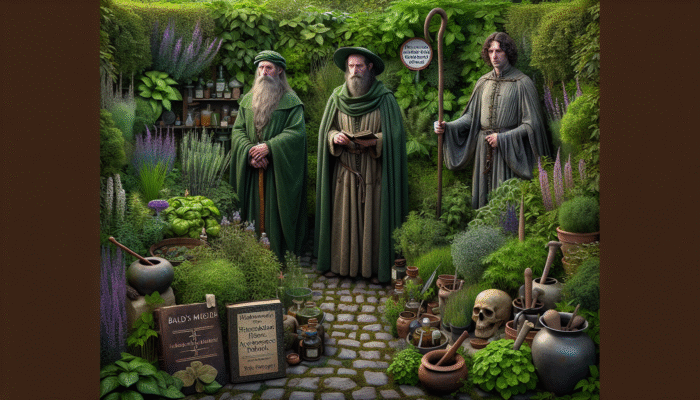
The history of herbal practices within the United Kingdom is profound and diverse, originating from ancient civilisations where the application of herbs was essential to healing and daily life. In the Druidic traditions of the Celtic people, certain plants were not only valued for their medicinal properties but also held deep spiritual significance. This appreciation for the healing virtues of herbs continued through the medieval period, when herbal remedies became integral to healthcare systems. Significant texts, such as the *Bald's Leechbook*, written by the ancient Anglo-Saxons, serve as comprehensive manuals detailing local flora and their medicinal uses. The Renaissance marked a resurgence in herbalism, spearheaded by figures such as Nicholas Culpeper, who advocated for the use of native herbs in healing practices.
In contemporary society, the legacy of these ancient practices thrives within numerous communities across the UK, often harmoniously merging with modern wellness trends. Today’s herbalists are committed to preserving these age-old customs while infusing them with current insights into health and wellness. By integrating local herbs into their practices, they champion sustainability and enhance the bond between individuals and their environment. Understanding this historical backdrop is essential for anyone keen on creating personalised herbal blends that pay homage to these rich traditions.
Unveiling the Remarkable Diversity of Herbs Found in the UK
The United Kingdom boasts an impressive variety of climates and ecosystems, nurturing an extensive array of herbs that offer numerous therapeutic and culinary benefits. In the rugged highlands of Scotland, you will discover heather and bog myrtle, both celebrated for their purifying and cleansing properties. On the other hand, the southern coastal regions enjoy a Mediterranean-like climate that supports vibrant herbs such as rosemary and thyme, flourishing under the warmth of the sun.
Amidst the enchanting woodlands of Wales, wild garlic carpets the forest floor each spring, presenting delightful culinary possibilities alongside notable health benefits, including its antimicrobial properties. The eastern regions of England are renowned for their abundant growth of chamomile, known for its soothing and calming effects. By familiarising yourself with these regional herbal varieties, you can create distinctive blends that capture the essence of the UK's rich botanical heritage. This knowledge is crucial for anyone aspiring to blend herbs in an effective and sustainable manner.
The Cultural Importance of Herbs in British Society
Herbs hold a significant role in the cultural tapestry of the UK, often intertwined with folklore and traditional practices. For example, the ancient custom of using St. John's Wort during the summer solstice reflects a longstanding belief in its protective and healing qualities. Local festivities, such as the annual Herb Festival in the Cotswolds, celebrate these plants, shedding light on their historical and medicinal significance.
Furthermore, various communities possess their unique herbal lore, with stories passed down through generations that enrich the blending experience. Understanding these cultural narratives allows individuals to connect with the deeper meanings behind their selected ingredients. The symbolism associated with herbs, like using rosemary for memory and remembrance, adds layers of depth, transforming custom blends into rich narratives encapsulated within each bottle.
How to Choose the Ideal Herbs for Your Blends in the UK
Identifying Popular Herbs Commonly Used in the UK
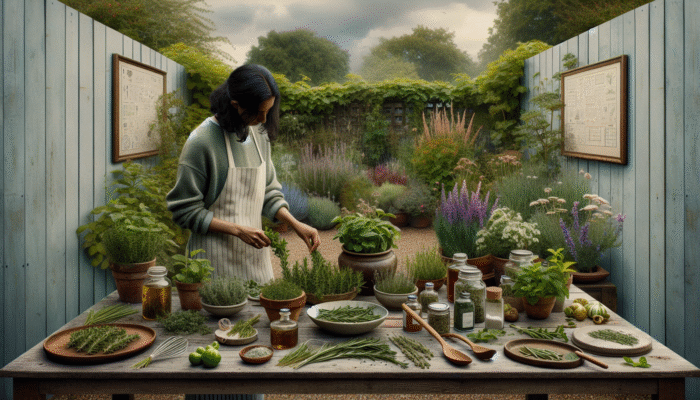
To design bespoke herbal blends, it is essential to familiarise yourself with the widely used herbs in the UK. Among the most popular choices, mint flourishes in gardens and hedgerows, offering a refreshing scent that is perfect for both culinary and medicinal applications. Another vital herb, nettle, though often overlooked, is packed with health benefits, including anti-inflammatory properties and a rich nutrient profile.
Thyme is valued for its versatility in cooking, enhancing a myriad of dishes while also serving as a potent antiseptic. Furthermore, the distinct aroma of rosemary not only elevates savoury meals but is also historically linked to improved memory and cognitive function. By selecting these herbs, individuals embark on an exciting journey into the realm of custom blends tailored to their unique tastes and health objectives.
Recognising the Seasonal Availability of Herbs
Understanding the seasonal availability of herbs is vital for those eager to create tailored blends. The UK experiences distinct seasons, each presenting a unique array of herbs. In the invigorating spring, herbs like chives and wild garlic begin to sprout, making them perfect for refreshing blends. The summer months bring forth a plethora of flavours, with herbs such as basil and dill reaching their peak, ideal for enhancing salads and dressings.
As autumn arrives, heartier herbs like sage and thyme become more prevalent, offering grounding flavours that are perfect for comforting, warming dishes. Although winter may seem sparse in fresh herbs, dried varieties such as oregano and rosemary can still be effectively integrated into blends. Being mindful of these seasonal transitions allows for the crafting of herbal blends that not only taste delightful but also align with sustainable practices and the natural cycles of the environment.
How to Source Premium Quality Herbs for Your Blends
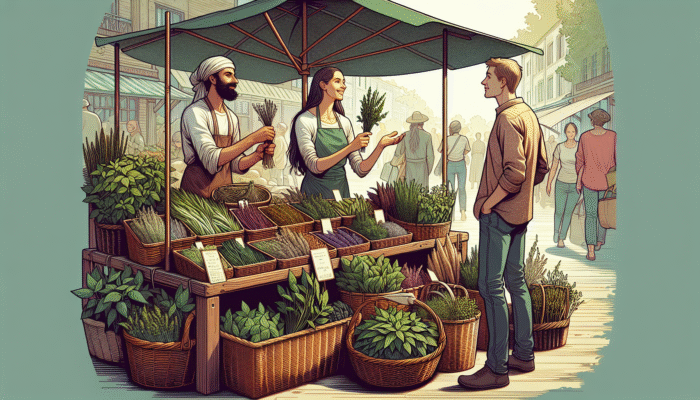
Acquiring high-quality herbs is essential for creating effective herbal blends. Local farmers' markets present excellent opportunities to discover fresh, organic herbs that are often at their flavour and potency peak. Additionally, herbal apothecaries and specialised shops frequently offer dried herbs that are ethically sourced and expertly prepared.
Interacting with local herb growers can also yield invaluable insights into specific herb varieties and their proper uses, enhancing the blending experience. When sourcing herbs, it’s crucial to take into account factors such as sustainability and organic practices to ensure the herbs positively impact both personal health and the planet's well-being. By prioritising quality ingredients, you can significantly enhance the effectiveness and enjoyment of your herbal concoctions.
How to Cultivate Your Own Herbs for Tailored Blends
Growing your herbs is one of the most fulfilling ways to guarantee a continuous supply of fresh ingredients for your custom blends. The UK climate is favourable for cultivating a wide variety of herbs, making home gardening both practical and enjoyable. Begin with a modest selection of herbs, such as basil, parsley, and mint, which are relatively easy to grow and flourish well in pots or garden beds.
The quality of soil plays a pivotal role in herb cultivation; incorporating compost can enhance nutrient availability and promote healthy growth. Adequate sunlight is another essential factor, as most herbs require a minimum of six hours of direct sunlight each day. Therefore, selecting a sunny location in your garden or utilising a windowsill can be beneficial. Indoor gardening is also a viable option, particularly for those with limited outdoor space. With proper care, homegrown herbs offer a regular supply of fresh ingredients, perfect for crafting delightful custom blends.
Effective Techniques for Preserving Herbs for Year-Round Use
Preserving herbs is crucial for retaining their flavour and aroma throughout the year, allowing you to enjoy the benefits of your homegrown or sourced herbs long after the growing season has concluded. Drying is one of the most popular methods of preservation, with techniques ranging from air drying to using a dehydrator. Air drying is straightforward and involves hanging herbs upside down in a dark, well-ventilated area until they are completely dry.
Freezing is another efficient preservation method, particularly for herbs such as basil and mint. By chopping the herbs and placing them in ice cube trays filled with water or oil, you can easily freeze them for later use in soups and stews. Proper storage is critical; ensure that herbs are kept in airtight containers, protected from light and humidity, to maintain their potency. By mastering these preservation techniques, you’ll ensure a consistent supply of high-quality herbs for your custom blends all year round.
Advanced Techniques for Crafting Unique UK Herbal Blends
Creating Harmonious Flavours in Your Herbal Blends
Crafting balanced herbal blends requires a nuanced understanding of various flavour profiles. Each herb possesses unique characteristics—some are bold and pungent, while others are subtle and delicate. The key to successful blending lies in achieving a harmonious flavour profile, ensuring that no single herb dominates the others. For example, pairing strong rosemary with milder herbs like parsley can produce a well-rounded blend.
Experimentation with ratios is essential. Start with small batches, adjusting the proportions to suit your taste preferences. Continuously tasting as you blend will enable you to identify the right balance and make timely adjustments. Incorporating complementary flavours can enhance the overall blend; for instance, merging herbs that share similar aromatic compounds can elevate synergy within the mixture. Mastering the art of balancing flavours is crucial for crafting unique custom blends that are delightful to the palate and effective for their intended uses.
Mastering Drying and Storage Techniques for Herbs
Becoming proficient in drying and storing herbs is fundamental to preserving their potency and flavour. After harvesting, ensure that herbs are washed and thoroughly dried to prevent mould growth during storage. Various drying techniques can be employed, including air drying, oven drying, or dehydrating. Air drying, the most traditional method, involves tying herb bundles together and hanging them in a dark, cool location with good airflow.
After drying, herbs should be stored in airtight containers, preferably glass jars, and kept in a cool, dark environment. Labeling containers with the herb name and the date of drying can aid in tracking their freshness. Dried herbs can lose potency over time; therefore, it’s essential to regularly check for aroma and flavour. By implementing these drying and storage techniques, you can ensure that your herbal blends maintain their vibrant characteristics and deliver optimal benefits.
Understanding Mixing Ratios for Effective Herbal Blends
Mastering the ideal mixing ratios is crucial for creating successful herbal blends. Each herb contributes unique properties, and understanding how to balance these elements can lead to a more harmonious result. A general guideline suggests using a base herb that comprises 50% of the blend, complemented by supporting herbs at 25% each. This ratio provides a solid foundation while allowing the distinctive qualities of each herb to shine through.
When determining ratios, consider the intended application of your blend; for instance, if you are creating a mixture for digestive health, herbs known for their digestive benefits, such as peppermint and ginger, may warrant higher proportions. Conversely, more pungent herbs like sage should be used sparingly. Experimentation is key; keeping detailed notes on each blend you create, including the ratios and observed effects, empowers you to refine your approach over time. Mastering mixing ratios will enhance your herbal blending skills, improving the effectiveness of your custom formulations.
Leveraging Health Benefits with UK Herbal Blends
Formulating Herbal Blends to Promote Digestive Wellness
Creating herbal blends that support digestive health is both beneficial and fulfilling. Herbs like peppermint, renowned for their ability to soothe bloating and indigestion, serve as excellent components in a calming blend. Additionally, incorporating ginger can enhance digestive function and stimulate appetite, making it a valuable addition to any digestive blend.
Fennel seeds are another wonderful herb often used to relieve gas and discomfort. When formulating a digestive blend, consider combining these herbs in equal parts to achieve a balanced profile or adjusting according to your personal taste preferences. Brewing these blended herbs into a tea can be particularly effective, allowing for the gentle extraction of their health benefits. By focusing on digestive wellness, you can create blends that not only please the palate but also significantly enhance overall health.
Creating Herbal Blends to Strengthen Immune Function
With the increasing focus on immune health, crafting herbal blends designed to boost the immune system is a timely pursuit. Elderberry stands out as a key ingredient, celebrated for its antiviral properties and rich antioxidant content. When paired with echinacea, this blend further amplifies immune function, as echinacea is well-known for stimulating the body’s natural defence mechanisms.
Additionally, consider including thyme for its antimicrobial qualities and vitamin C-rich herbs such as lemon balm. The blend should be thoughtfully crafted, with elderberry as the primary component, complemented by equal parts of the other herbs. Infusing these herbs into syrups, tinctures, or teas can heighten their effectiveness, providing a delightful and impactful way to support immune health. By prioritising immune support in your blending journey, you’ll create a collection of potent mixes that can be enjoyed throughout the year.
Designing Herbal Blends for Stress Relief
In our fast-paced society, crafting herbal blends aimed at alleviating stress is increasingly sought after. Herbs such as chamomile, known for their calming effects, provide an excellent foundation for these blends. Lavender also stands out, treasured for its soothing aroma and ability to promote relaxation.
Combining these calming herbs with valerian root can enhance the blend’s efficacy, as valerian is commonly used to reduce anxiety and improve sleep quality. When blending these herbs, consider a 3:1 ratio of chamomile to lavender, followed by a smaller portion of valerian, to create a soothing and balanced mix. These blends can be utilised as teas or added to bath infusions, providing a holistic approach to stress relief. By focusing on stress-relieving properties, your custom blends will offer much-needed respite in daily life.
Exploring Culinary Uses for UK Herbal Blends
Crafting Savoury Herbal Blends to Enhance Flavours
Herbs play a vital role in elevating the flavours of savoury dishes, and creating custom blends can dramatically enhance your culinary creations. A classic herb blend in UK cuisine features thyme, rosemary, and sage, making it ideal for seasoning roasted meats and vegetables. These herbs complement each other beautifully, with thyme’s earthy undertones harmonising with rosemary's robust flavour and sage's subtly peppery essence.
For a Mediterranean flair, consider blending basil, oregano, and parsley. This combination works wonders in pasta sauces and pizza toppings, delivering a burst of flavour that transports you to the sun-drenched coasts of Italy. Experimenting with proportions based on personal preferences is encouraged; feel free to add a pinch of salt or lemon zest to heighten the natural flavours of your blends. The versatility of culinary herbal blends can transform ordinary meals into extraordinary gastronomic experiences.
Delightful Sweet Herbal Blends for Dessert Applications
Unleashing the flavour potential of herbs in sweet dishes opens up a world of culinary possibilities. A delightful combination of mint and chocolate is perfect for desserts like brownies or mousses. Another popular blend features lavender, which can add a floral note to baked goods, pairing exquisitely with honey or lemon.
For a refreshing summer beverage, blending basil with strawberries creates an invigorating flavour profile that can be adapted for smoothies and cocktails. When determining ratios, remember to enhance sweetness; for instance, using more strawberries than basil will ensure the blend remains enjoyable. By exploring sweet herbal blends, you’ll discover innovative ways to elevate desserts and beverages, delighting your guests and tantalising your palate.
Creating Marinades and Rubs with Herbal Ingredients
Herbal blends are ideal for crafting marinades and rubs that infuse meats and vegetables with rich flavours. A robust mixture of garlic, rosemary, and thyme serves as an excellent marinade for lamb, enhancing its natural richness. A blend of lemon zest, oregano, and parsley adds freshness and vibrancy to chicken dishes.
Crafting a spice rub can yield equally delicious outcomes; merging smoked paprika, cumin, and coriander with fresh herbs introduces delightful depth to meats. The key is to allow ample marinating time—at least a few hours or overnight—to maximise flavour infusion. Customising these blends to suit your taste preferences will enhance your culinary creations, ensuring that each meal is memorable and inviting.
Infusing Oils and Vinegars with Distinct Herbal Flavours
Infusing oils and vinegars with herbs is an elegant technique for adding a gourmet touch to everyday meals. A classic combination is garlic and rosemary-infused olive oil, ideal for drizzling over roasted vegetables or artisan bread. To achieve this infusion, combine the herbs with oil and allow them to steep for several weeks, ensuring the flavours meld beautifully.
Consider blending herbs like tarragon or thyme with white wine or apple cider vinegar for a fresh twist. This infusion process not only enhances flavour but also amplifies the health benefits of the vinegar. Incorporating these infused oils and vinegars in dressings or marinades will add depth and character to your meals. Embracing the art of infusion broadens your repertoire of herbal blends, enriching your culinary experience.
Understanding Safety and Legal Guidelines for Herbal Blends in the UK
Navigating the Regulatory Framework for Herbal Products
Understanding the regulations governing herbal blends in the UK is crucial for ensuring safety and compliance. The Food Standards Agency (FSA) provides comprehensive guidelines on the safe use of herbs and herbal products, safeguarding consumers. Herbalists and enthusiasts must stay informed about the legal requirements concerning the sale and distribution of herbal blends.
Herbal products intended for medicinal use may also fall under the purview of the Medicines and Healthcare Products Regulatory Agency (MHRA). Complying with these regulations ensures that products are safe for consumers, minimising potential health risks. Additionally, understanding the regulatory framework promotes ethical practices within the herbal community, fostering trust and transparency between consumers and suppliers.
Following Safe Dosage Guidelines When Using Herbs
Adhering to safe dosage recommendations is critical when formulating and using herbal blends. Each herb has its recommended dosage, and exceeding these amounts can lead to adverse effects. For instance, while chamomile is generally considered safe, excessive consumption may result in unintended side effects such as nausea.
It is advisable to consult reputable sources or qualified herbalists when determining dosages, particularly for individuals with pre-existing health conditions or those taking medications. Crafting blends with a focus on moderation will optimise their effectiveness and minimise risks associated with overconsumption. By being diligent about safe dosages, you can fully enjoy the benefits of your herbal blends without compromising your health.
Prioritising Allergen Awareness in Herbal Blending Practices
Being aware of common allergens present in herbs is essential for ensuring safety in your custom blends. Many individuals may have sensitivities or allergies to specific herbs, especially those belonging to the Asteraceae family, which includes chamomile and echinacea. Recognising these potential allergens allows you to create blends that cater to a variety of dietary needs.
Clear labelling is paramount when sharing or selling your herbal blends. Including a comprehensive list of ingredients and potential allergens ensures consumers can make informed decisions. Additionally, educating yourself about cross-reactivity among herbs can enhance safety measures. By prioritising allergen awareness, you’ll contribute to a more inclusive and safe environment for all enthusiasts of herbal blending.
Engaging in UK Herbal Workshops and Educational Programmes
Discovering Local Herbal Workshops and Events
Participating in herbal workshops and courses throughout the UK presents an excellent opportunity to deepen your understanding and skills in herbal blending. Many organisations and herbalists offer hands-on experiences designed for all levels of expertise. From foundational classes covering the basics of herbalism to advanced workshops focusing on specialised topics, there is something available for everyone.
Local community centres, botanical gardens, and herbal societies often host these workshops, fostering connections with like-minded individuals. Additionally, online platforms have emerged, providing virtual workshops that reach a broader audience. Engaging in these educational experiences not only enhances your blending techniques but also nurtures a sense of community and connection to the expansive world of herbs.
Learning from Experienced Herbal Practitioners
Learning from seasoned herbalists and practitioners can greatly enrich your herbal blending journey. Many workshops are conducted by experts who share their extensive knowledge and passion for herbs, offering insights that extend beyond the basics. These instructors often weave personal anecdotes, historical applications, and modern practices into the learning experience, making it both relatable and engaging.
Consider seeking mentorship opportunities with local herbalists or attending informative talks and seminars led by experienced professionals. The knowledge gained from these interactions can guide your blending practices and deepen your understanding of the herbal landscape in the UK. By tapping into the wisdom of experts, you can accelerate your journey towards becoming a skilled and knowledgeable herbal blender.
Gaining Hands-On Experience in Herbal Blending
Acquiring practical experience in creating herbal blends is invaluable for anyone serious about herbalism. Many workshops provide hands-on activities, allowing participants to experiment with various herbs, explore blending techniques, and develop custom blends. This experiential learning builds confidence and enhances understanding of how different herbs interact.
Moreover, participating in group activities encourages discussions about preferences, techniques, and challenges faced by fellow herbal enthusiasts. This collaborative environment promotes the sharing of ideas and nurtures creativity. By immersing yourself in hands-on experiences, you’ll refine your skills and cultivate a deeper appreciation for the art of herbal blending.
Sharing Your Unique UK Herbal Blends with the Community
Fostering Community Connections Through Sharing Your Herbal Creations
Sharing your herbal blends with local communities cultivates connections and inspires others to delve into the world of herbs. Consider hosting workshops, pop-up events, or community gatherings where you can showcase your blending techniques and creations. Local farmers' markets offer an excellent platform for presenting your blends, enabling direct customer engagement and allowing you to share your passion for herbs.
Collaborating with local wellness centres, cafes, or shops can expand your reach, providing opportunities to introduce your blends to a wider audience. Encouraging feedback from the community will help refine your blends and create a supportive network of herbal enthusiasts. By actively participating in community sharing, you’ll contribute to a culture of appreciation and education surrounding herbs.
Utilising Online Platforms to Share Your Herbal Creations
Leveraging UK-based online platforms is a savvy strategy for sharing and selling your herbal blends. Websites like Etsy or local online marketplaces enable you to reach a broader audience while showcasing your unique offerings. Building an online presence through social media can foster engagement and connect you with individuals who share similar interests.
Creating informative content, such as blog posts or videos detailing your blending process, can enhance visibility and attract potential customers. Sharing your knowledge and experiences establishes credibility and positions you as a trusted source within the herbal community. By effectively utilising online platforms, you can significantly expand your reach and share your herbal blends with a global audience.
Embracing Feedback for Continuous Improvement
Gathering feedback from users of your herbal blends is essential for ongoing enhancement. Encourage customers to share their experiences and insights through reviews or direct communication. This dialogue can provide invaluable information regarding taste preferences, effectiveness, and potential areas for improvement.
Utilising this feedback to iterate on your blends demonstrates a commitment to quality and customer satisfaction. Regularly revisiting and adjusting your recipes based on user experiences not only improves your products but also strengthens customer loyalty. By fostering a culture of feedback and continuous improvement, you’ll ensure that your herbal blends resonate with those who use them.
Frequently Asked Questions About Herbal Blending
Which herbs are ideal for beginners?
Beginners should consider starting with herbs like basil, mint, and parsley, as they are easy to cultivate and versatile in culinary applications. These herbs can also be utilised in simple blends to explore various flavour combinations.
Can I substitute dried herbs for fresh ones?
Yes, dried herbs can replace fresh ones; however, it's important to remember that dried herbs are more concentrated. Adjust the quantities accordingly—generally, one part dried herb is equivalent to three parts fresh herb.
How can I verify if my herbs are safe for use?
Research the properties of each herb and consult reputable herbal resources or professionals. It is essential to check for known allergies and understand safe dosages for the herbs you intend to use.
What are the most effective methods for preserving herbs?
The best preservation methods for herbs include drying, freezing, or creating infused oils and vinegars. Each technique helps maintain the flavour and potency of herbs for future use.
Are there any herbs I should approach with caution?
Certain herbs, such as St. John's Wort or comfrey, may interact with medications or have contraindications. Always consult a healthcare professional before using new herbs, especially if you are pregnant or taking medication.
Can I legally sell my herbal blends?
Yes, you can sell your herbal blends, but you must comply with UK regulations regarding the sale of food products. Proper labelling and adherence to safety guidelines are essential for legal compliance.
How do I achieve a balanced herbal blend?
Begin by selecting a base herb and then introduce supporting herbs in smaller proportions. Experiment with different ratios and tastes to achieve a harmonious blend.
What are some common uses for herbal blends?
Herbal blends can be utilised in teas, culinary dishes, marinades, skincare, and medicinal applications. Their versatility makes them suitable for various purposes, enhancing flavour and health benefits.
Where can I expand my knowledge about herbalism?
Consider attending workshops, reading literature from herbal experts, or joining local societies. Online resources, webinars, and courses are excellent avenues for broadening your understanding.
What tools are essential for blending herbs?
Basic tools include a mortar and pestle or spice grinder for grinding herbs, measuring spoons for accuracy, and airtight containers for storage. A precise scale can also help achieve accurate measurements.
Connect with us on Facebook!
The Article: How to Create Custom Herbal Blends: A UK Guide appeared first on https://mcrtherapies.co.uk
The Article Custom Herbal Blends: Your Essential Guide for the UK Was Found On https://limitsofstrategy.com