Comprehensive Examination of Food Price Dynamics and Card Payment Approaches
What Key Elements Cause Daily Variations in Food Prices?

Daily shifts in food prices stem from a multifaceted interplay of factors, including variations in supply chain logistics, seasonal product availability, and changes in consumer demand. Economic downturns or agricultural shortages can significantly impact the cost of groceries, leading to discernible price hikes. For instance, recent data indicates a marked increase in staple items like bread and milk, primarily due to escalating fuel costs affecting transportation expenses. In the UK, shoppers frequently adjust their purchasing habits in response to these price increases, often favouring local markets or budget-friendly retailers to efficiently manage their food budgets. Understanding these intricate dynamics is crucial for making informed purchasing decisions that protect financial well-being.
What Are the Primary Payment Methods Available for Everyday Purchases?
Consumers can choose from a diverse range of payment options when managing their food expenses, each presenting unique advantages and disadvantages that can significantly influence overall spending. Being well-informed about these key payment methods can empower consumers to select the options that best suit their financial circumstances and enhance their budgeting efficiency.
- Debit Cards: These cards, linked directly to bank accounts, promote disciplined spending and help mitigate overspending.
- Credit Cards: While offering enticing rewards and benefits, they can also lead to overspending if not carefully managed, underscoring the need for financial awareness.
- Contactless Payments: These transactions provide speed and convenience; however, their simplicity might encourage impulsive purchases.
- Prepaid Cards: Allow users to establish strict budgets without the risk of incurring debt, making them a fantastic option for maintaining financial discipline.
- Store Loyalty Cards: Often provide discounts and rewards but may limit consumers to specific retailers, thereby reducing shopping flexibility.
- Mobile Payment Apps: These integrate banking with budgeting tools, enhancing tracking and management of spending.
- Cash: Using cash offers a tangible sense of expenditure but does not provide the rewards benefits associated with card usage.
- Buy Now, Pay Later Schemes: These options facilitate deferred payments but can encourage overspending if not used judiciously.
By understanding the strengths and weaknesses of each payment method, consumers can make informed decisions that cater to their individual financial situations and spending habits, ultimately leading to improved financial outcomes and greater control over their finances.
What Proven Strategies Can Assist in Tracking Expenditure Effectively?
Effectively monitoring food costs in relation to card usage necessitates practical strategies that simplify the budgeting process. Numerous effective methods can be employed to achieve this objective. Firstly, utilising budgeting apps allows consumers to categorise their food spending alongside card transactions, providing a clear overview of monthly expenses. Typically, these tools come equipped with features like spending alerts and categorisation, ensuring users stay informed about their financial behaviours. Secondly, keeping a spending diary can prove invaluable, enabling individuals to document daily purchases and identify patterns in their food buying behaviours, which facilitates more informed decision-making.
Furthermore, establishing monthly spending limits on card usage can instil financial discipline, ensuring that food expenses remain manageable. Regularly reviewing bank statements in conjunction with budgeting tools allows consumers to identify unnecessary fees or subscriptions that may hinder their ability to control food expenditures effectively. By maintaining organisation and a proactive approach, individuals can gain enhanced control over their financial health, paving the way for more strategic spending and improved budgeting practices.
How Do Economic Policies Influence Food Prices and Card Payment Practices?
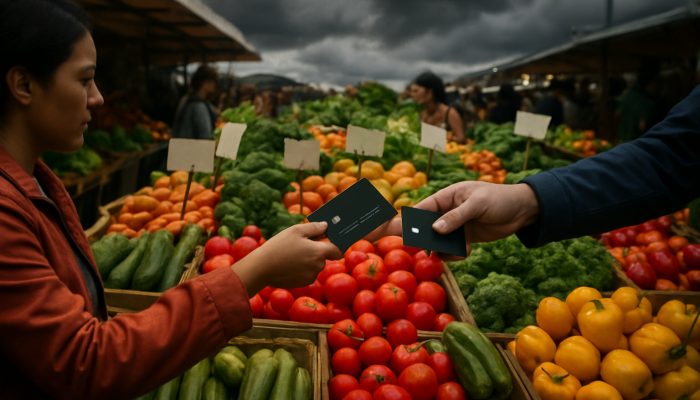
Economic policies and prevailing inflation rates significantly shape food prices while also influencing card transaction fees. For instance, government initiatives like subsidies for local farmers can lead to reduced prices for specific food items, thereby affecting overall budgeting strategies. Conversely, inflationary pressures often result in escalated costs for essential goods, necessitating adjustments in payment methods to prevent financial strain.
Consumers must remain vigilant regarding these economic trends and adapt their budgets accordingly. During times of heightened inflation, individuals may prefer using debit cards over credit cards to avoid accruing debt from rising prices. Understanding the broader economic landscape empowers consumers to maintain financial stability even amidst fluctuating markets, facilitating informed decision-making regarding their food purchasing and payment strategies.
How Do Rising Food Prices Impact Card Payment Preferences?
How Do Food Prices Shape Household Budgets?
Food costs can profoundly influence household budgets, compelling families to make calculated decisions regarding their payment methods. Seasonal variations often dictate the pricing of fresh produce, with summer months typically yielding lower costs for many fruits and vegetables. This seasonal abundance can lead consumers to rely more heavily on cards during peak seasons, optimising cash flow management while providing greater flexibility in their spending habits.
Conversely, during off-peak seasons when food prices rise, households may revert to cash payments to limit spending or choose alternative payment methods that offer valuable rewards or cash back. Understanding these seasonal dynamics equips consumers to make informed decisions about their card usage, ensuring they maximise their budgets throughout the year while sustaining financial equilibrium.
Why Are Transaction Fees Critical in This Financial Landscape?
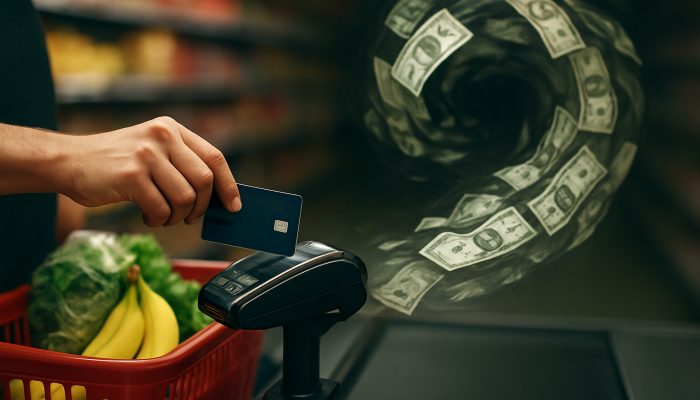
Transaction fees represent a crucial consideration when assessing the impact of card payments on food costs. These fees, which can arise from merchants or card providers, can accumulate and significantly influence overall spending. For example, utilising a credit card with a high annual fee for everyday grocery purchases can diminish the benefits gained from cash back or rewards, ultimately affecting financial health.
When selecting a card, consumers should carefully evaluate the fee structures associated with various options, choosing those that align with their purchasing habits. Cards with lower transaction fees can lead to considerable savings, particularly for frequent grocery shoppers. By scrutinising these fees along with their potential long-term impact, consumers can make strategic choices that enhance their overall financial well-being and sustainability.
What Common Pitfalls Should Be Avoided When Using Cards for Food Purchases?
The convenience of card payments can sometimes lead individuals into common traps that undermine financial discipline. A prevalent concern is overspending driven by the allure of rewards schemes. Consumers may feel compelled to make unnecessary purchases to accumulate points, ultimately negating any potential savings accrued through the rewards system.
Another significant hazard involves inadequate tracking of expenditures. Without a comprehensive understanding of food spending, individuals may find themselves in debt, particularly if they rely heavily on credit cards. To avert these challenges, it is essential to maintain a strict budget that limits card use for food purchases and to routinely review spending patterns to ensure alignment with financial objectives. By remaining vigilant and disciplined, consumers can navigate the challenges associated with card payments and food expenses more effectively.
How Do Card Rewards Contribute to Alleviating Food Costs?
Card rewards can provide substantial benefits for consumers aiming to alleviate the financial burden of rising food costs. Numerous credit cards offer cash back, points, or discounts specifically tailored towards grocery purchases, effectively reducing overall expenditures. For example, a card that provides a 5% cash back incentive on supermarket transactions can significantly offset rising prices, making it an invaluable tool for budget-conscious shoppers.
To maximise the advantages of rewards programmes, consumers should evaluate their shopping habits and select cards that correspond with their spending patterns. Actively tracking points and understanding how to redeem them efficiently can further enhance savings. By adopting a strategic approach to card usage, individuals can make informed decisions that leverage rewards to mitigate the impact of fluctuating food prices, ultimately improving their financial situation and ensuring better budgeting practices.
What Budgeting Strategies Should Be Implemented During Food Price Fluctuations?
In a climate marked by food price volatility, effective budgeting strategies are essential for managing card expenditures. One practical approach involves setting a fixed monthly allowance for food purchases, which can help prevent overspending during unforeseen price increases. This strategy can be reinforced through budgeting apps that provide real-time tracking of spending, offering immediate insights into how much remains in the food budget.
Another effective tactic involves limiting the types of cards employed for grocery shopping. For instance, opting for a debit card for daily purchases can help control spending and deter the temptation to overspend that often accompanies credit card usage. By adopting these strategies, consumers can successfully navigate the unpredictable nature of food costs while ensuring their nutritional needs are met without incurring excessive debt or financial strain.
Expert Insights for Harmonising Food Costs with Card Payment Decisions
What Practical Steps Can Be Taken to Enhance Payment Methods?
Optimising payment strategies can significantly bolster savings for consumers facing increased food costs. One practical step is to actively research and compare various credit cards to identify those offering the most advantageous rewards for grocery purchases. Many cards feature promotional periods with elevated cash back rates, which can be capitalised upon during peak shopping times for maximum savings.
Additionally, setting reminders for payment due dates and promotional expiration dates can help prevent late fees and missed rewards, further amplifying the financial advantages of card usage. Consumers should also consider consolidating their spending onto a single card that offers the most benefits, simplifying rewards tracking and maximising savings potential. By implementing these strategies, individuals can effectively navigate the complexities of food costs and card payments, ensuring a balanced approach to their financial health and sustainability.
How Can Consumers Remain Flexible in Response to Market Changes?
Adapting to the constantly changing dynamics of food prices and payment options necessitates a proactive approach to budgeting. Consumers can benefit from regularly reviewing their financial strategies to ensure they align with current market conditions. For example, if food prices begin to rise, it may be prudent to adjust budgets accordingly, perhaps by exploring discount grocery stores or bulk purchasing to reduce expenses.
Moreover, incorporating the benefits of card rewards into budgeting strategies can provide an additional layer of cost management. Consumers should remain informed about the latest trends in payment options, including new financial products that may offer lower transaction fees or enhanced rewards for grocery shopping. By staying flexible and responsive, individuals can effectively navigate the challenges posed by fluctuating food prices while optimally utilising card payments to their advantage.
What Advantages Can Be Gained from Consulting Financial Advisors?
Engaging with financial advisors can offer considerable advantages for consumers striving to balance food costs with card payments. Expert guidance provides tailored advice that aligns with individual financial goals, assisting consumers in navigating the complexities of budgeting amid rising prices. Financial advisors can share insights into long-term planning, ensuring that food expenses are managed alongside other financial priorities, such as savings and investments.
Furthermore, professionals can assist in evaluating the best payment options and strategies for maximising rewards, ultimately leading to enhanced financial resilience. Partnering with a financial advisor establishes a foundation of trust and expertise, enabling consumers to confidently make informed decisions regarding their food spending and card usage, thus supporting their overall financial well-being.
How Should Consumers Evaluate Card Rewards to Offset Food Expenses?
Card rewards can play a crucial role in alleviating food expenses, particularly during periods of rising prices. Evaluating different rewards programmes allows consumers to choose cards that not only offer cash back or points but also align with their shopping behaviours. For instance, some cards may provide enhanced rewards for grocery purchases, while others may focus on dining or travel, thereby impacting overall budgeting strategies.
It is essential for consumers to actively track their reward points and understand the most advantageous times to redeem them. Many cards offer promotional periods where points can yield enhanced value, presenting an opportunity to maximise returns on food purchases. Selecting the right card and utilising rewards effectively can lead to significant savings, making this an essential component of managing food expenses in today's fluctuating market.
What Future Trends Are Emerging in Grocery Payment Solutions?
As the payment landscape evolves, emerging trends such as digital wallets and buy-now-pay-later schemes are revolutionising how consumers manage their grocery budgets. Digital wallets facilitate seamless transactions and often incorporate enhanced security features, appealing to tech-savvy shoppers. These payment methods may also integrate budgeting tools, assisting consumers in maintaining control over their spending.
Conversely, buy-now-pay-later schemes permit consumers to spread their grocery expenses over time, alleviating immediate financial pressure. However, it is crucial to approach these options carefully, as they may encourage overspending if not managed prudently. By staying informed about these trends and their implications, consumers can strategically adapt their payment methods to better balance food costs with their financial responsibilities, ultimately leading to improved financial health.
Research-Based Insights on the Trade-Offs Between Food Prices and Card Payments
What Real-Life Examples Illustrate Effective Cost Management?
Successful cost management can be exemplified through various real-world scenarios where consumers have effectively leveraged card rewards to counter rising food prices. For instance, a family consistently using a credit card that offers 5% cash back on groceries might realise substantial savings over a year. By deliberately shopping at retailers that align with their card benefits, they not only lower their out-of-pocket expenses but also earn rewards redeemable for future purchases, thereby improving their overall financial situation.
Additionally, individuals who utilise budgeting apps to track their expenses can identify spending patterns and make informed adjustments. By showcasing these practical examples, it becomes evident that strategic card usage, coupled with diligent monitoring of food expenses, can yield better value and foster financial stability within households.
What Role Do Rewards Programmes Play in Balancing Food Costs?
Loyalty and rewards programmes are integral to balancing food costs and card payments. These programmes incentivise consumers to favour specific retailers, offering discounts and rewards for consistent patronage. This can result in significant savings, particularly for families who frequently purchase groceries from the same store, fostering both loyalty and financial benefits.
Moreover, understanding how to effectively leverage these programmes enables consumers to alleviate the burden of fluctuating food costs. For example, some loyalty schemes may provide double points on selected days, encouraging shoppers to plan their purchases strategically to maximise their rewards. By integrating these schemes into their budgeting strategies, consumers can make informed choices that optimise benefits while managing overall food expenses, thereby ensuring their financial health remains robust.
What Long-Term Advantages Arise from Informed Payment Decisions?
Informed payment choices yield long-term benefits that can significantly enhance financial resilience. By aligning food budgets with suitable card options, consumers can establish a sustainable approach to managing expenses. For example, selecting a credit card with lower transaction fees and superior rewards can lead to cumulative savings over time while fostering disciplined spending habits that contribute to overall financial well-being.
Additionally, consumers who remain vigilant about their financial strategies often experience reduced stress during periods of economic volatility. By establishing a robust framework for managing food costs through informed card usage, individuals can build a foundation of financial stability that endures in the face of unforeseen price fluctuations, allowing them to maintain a healthy balance between spending and saving.
What Strategies Can Minimise Trade-Offs in Food Costs and Payments?
What Effective Techniques Can Be Utilised for Negotiating Better Food Prices?
Negotiating better deals on food can significantly alleviate the pressure of rising costs, and employing strategic techniques can enhance price management. One effective approach is to capitalise on seasonal sales and promotions, as many retailers offer discounts during specific times throughout the year. By planning shopping trips around these periods, consumers can maximise their savings and reduce overall spending.
Furthermore, negotiating directly with local producers or farmers can yield lower prices, particularly for bulk purchases. Participating in community-supported agriculture or co-ops gives access to fresh produce at reduced rates, allowing consumers to support local businesses while saving money. Additionally, strategically using card rewards during promotional events enables consumers to optimise their spending while securing better deals on groceries, ultimately leading to improved financial outcomes and satisfaction.
How Can Budgeting Apps Be Incorporated into Daily Finances?
Integrating budgeting apps into daily routines can streamline expense tracking and promote mindful spending. Many budgeting tools feature automatic linking to bank accounts and credit cards, allowing users to effortlessly categorise food expenditures while maintaining a clear overview of their finances. This integration provides a comprehensive view of monthly spending patterns, enabling consumers to identify areas for improvement and adjust their habits accordingly.
By establishing regular check-ins with these apps, individuals can monitor their progress and make necessary adjustments to their budgets. For instance, setting spending limits within the app can serve as a proactive measure to prevent overspending in any given category, including food. By adopting these digital tools, consumers can cultivate a more disciplined approach to financial management, ultimately leading to better control over their food budgets and overall spending.
What Potential Risks Are Associated with Over-Reliance on Cards?
Over-reliance on cards presents several risks that can destabilise financial health. A major concern is the accumulation of debt, particularly with credit cards that carry high-interest rates. Consumers may inadvertently fall into a cycle of borrowing to cover food expenses, which can lead to long-term financial difficulties and stress.
Another risk involves the propensity to overspend due to the convenience of card transactions. Without the tangible sensation of cash leaving their hands, consumers may become less mindful of their spending behaviours. To mitigate these risks, it is crucial to maintain a balanced approach, using cards judiciously while also incorporating cash payments or debit options for everyday purchases. This balanced strategy fosters financial discipline and ensures that food budgets remain intact, promoting overall economic health and stability.
What Techniques Can Be Employed for Meal Planning to Minimise Food Waste?
Meal planning serves as a powerful strategy that can significantly reduce food waste and enhance budgeting efficiency. By assessing household needs and crafting a weekly menu, consumers can avoid over-purchasing items that may go unused. This proactive approach enables individuals to optimise their grocery budget by concentrating on essential ingredients and minimising impulsive buys, leading to more mindful spending.
Additionally, creatively utilizing leftovers can contribute to waste reduction. For example, transforming yesterday's roast into a hearty stew can extend the life of ingredients while providing meal variety. Keeping an inventory of pantry items and regularly reviewing what needs to be consumed can further tighten shopping lists, ensuring all items are used effectively. By adopting these meal planning techniques, consumers can achieve more efficient budgeting while promoting sustainability in their households and lowering overall food costs.
How Can Alternative Payment Methods for Groceries Be Evaluated?
Exploring alternative payment methods for groceries can yield significant advantages in maintaining financial discipline. Debit cards and cash provide tangible ways to track expenditures, reducing the risk of overspending that often accompanies credit card use. With debit cards, consumers can only spend what is available in their account, preventing the accumulation of debt and instilling a sense of control over spending.
Using cash for grocery shopping reinforces a sense of budgeting, as individuals physically see the money leaving their hands. This method encourages mindful spending and helps ensure that food budgets remain balanced. As consumers evaluate these alternatives, understanding their benefits can lead to more effective financial management and a reduction in unnecessary trade-offs, ultimately promoting healthier spending habits and improved financial outcomes.
What Are the Future Trends Shaping Food Costs and Card Payments?
What Emerging Technologies Are Transforming Expense Tracking?
Emerging technologies are poised to revolutionise expense tracking, particularly in the context of food purchases. Innovations such as artificial intelligence and machine learning are increasingly being integrated into budgeting applications, providing tailored insights based on historical spending patterns. These advanced tools can analyse data to suggest optimal shopping strategies and alert users to potential savings opportunities, creating a comprehensive financial management experience.
Additionally, blockchain technology is gaining traction within the financial sector, enhancing security and transparency for transactions. This advancement can empower consumers to manage their grocery expenses more effectively, ensuring they make informed choices regarding payment methods and food budgets. By leveraging these technological innovations, individuals can gain greater control over their financial health, paving the way for more strategic spending and savings in the face of fluctuating food prices.
Why Is Flexibility Essential in Financial Planning?
Flexibility is crucial in financial planning, particularly in response to the unpredictable nature of market changes. As food prices fluctuate due to various factors such as inflation or supply chain disruptions, consumers must be prepared to adjust their budgeting strategies accordingly. This adaptability enables individuals to navigate challenges without sacrificing their financial stability or well-being.
For instance, during periods of rising prices, consumers may need to seek out alternative shopping options or payment methods that offer rewards or lower fees. Being open to revising spending habits ensures that individuals maintain a balanced approach to managing food costs and card payments, ultimately promoting long-term financial health and resilience in the face of economic uncertainties.
What Sustainable Practices Can Be Integrated for Long-Term Financial Savings?
Incorporating sustainable practices into managing food budgets alongside card usage promotes enduring financial health. Adopting eco-friendly shopping habits, such as purchasing locally sourced produce, can often be more cost-effective while supporting local businesses. Additionally, reducing food waste through mindful purchasing and meal planning conserves resources and saves money over time, contributing to a healthier planet and a healthier wallet.
Moreover, consumers can explore sustainable payment options, such as apps that promote ethical spending or provide rewards for environmentally friendly purchases. By aligning financial decisions with sustainability goals, individuals can foster a holistic approach to their budgeting practices, ensuring that future financial health is secured while positively impacting the environment and society.
Frequently Asked Questions
What Are the Most Effective Payment Methods for Food Purchases?
The most effective payment methods for food purchases typically include debit cards and <a href="https://electroquench.com/track-every-balance-you-owe-effective-strategies-explained/"><a href="https://www.debtconsolidationloans.co.uk/debt-consolidation-for-multiple-credit-cards-a-uk-guide/">credit cards</a></a> that offer rewards or cashback on grocery spending. Occasionally, using cash can also help effectively control spending, encouraging mindful purchasing habits.
How Can I Effectively Track My Food Expenses?
You can track food expenses using budgeting apps that sync with your bank accounts, maintaining a spreadsheet, or keeping a manual spending diary to monitor your purchases effectively. These methods provide various ways to stay organised and aware of your financial habits.
What Are the Potential Risks Associated with Credit Card Rewards Programmes?
While credit card rewards programmes can offer benefits, the risks include overspending to earn rewards and accumulating debt due to high-interest rates if not managed properly. It’s crucial to be mindful of spending habits to avoid financial pitfalls.
Can Cashback Rewards Genuinely Contribute to Savings on Groceries?
Yes, cashback rewards can save money on groceries, particularly if you consistently shop at places that offer high cashback rates, effectively helping to offset rising food costs and improving overall financial management.
Are There Hidden Fees Associated with Card Transactions?
Yes, hidden fees such as foreign transaction fees or annual fees can arise with credit cards. Always read the terms and conditions carefully to avoid unexpected costs and better understand your financial obligations.
How Often Should I Review My Food Budget?
Reviewing your food budget monthly is a good practice, allowing you to adjust based on any changes in food prices or personal financial circumstances. Regular reviews help maintain control over your budgeting goals.
What Advantages Do Cash Payments Offer for Grocery Shopping?
Cash payments can help limit spending, as they provide a tangible sense of how much money is being spent, thereby reducing the likelihood of overspending on impulsive purchases and encouraging better financial discipline.
How Can Meal Planning Help in Reducing Food Costs?
Meal planning reduces food costs by ensuring you buy only what you need, minimising waste and impulsive buys while focusing on meals that use similar ingredients, which can lead to more efficient and cost-effective shopping.
What Tips Can Assist in Maximising Credit Card Rewards?
To maximise credit card rewards, choose cards that align with your shopping habits, pay off balances in full to avoid interest charges, and take advantage of promotional periods for increased rewards to enhance your savings.
How Can I Negotiate Better Prices on Groceries?
Negotiating better prices on groceries can involve asking retailers about discounts, using loyalty programmes, shopping during sales, and considering bulk purchases for cost savings, ultimately improving your overall food budget.
Join our community on Facebook!
This Article Was First Found On: https://www.debtconsolidationloans.co.uk
The Article Food Costs and Card Payments: Finding Budget Balance found first on https://electroquench.com